 Save
Save The first time I shaped a turkey from sourdough, my hands were covered in flour and doubt. I'd spent the morning coaxing the dough through stretch-and-folds, watching it transform from shaggy scraps into something alive and bubbly. When it came time to sculpt it into a bird, I suddenly understood why bakers call this a labor of love—you're not just folding and proofing, you're creating something that makes people smile before they even taste it.
I made this bread for a Thanksgiving potluck where someone had already claimed the turkey duty. I brought my sourdough bird instead, slightly nervous it might seem silly. By the end of the night, people were taking photos, asking for the recipe, and honestly, they were more excited about the bread than anything else on the table. That's when I realized this wasn't just bread—it was edible art that happened to taste incredible.
Ingredients
- Bread flour (500 g): The gluten structure here is everything; it holds those beautiful air pockets and gives you that crispy crust while the crumb stays tender inside.
- Water (350 g at room temperature): Room temp water keeps your dough from overheating during those early stretch-and-folds—cold water would slow fermentation, but warm water is honestly overkill.
- Active sourdough starter (100 g): This is your magic; at 100% hydration, it's bubbly and ready to work, not thick or sluggish.
- Fine sea salt (10 g): Salt strengthens gluten and controls fermentation speed; add it after the autolyse so it doesn't shock your dough.
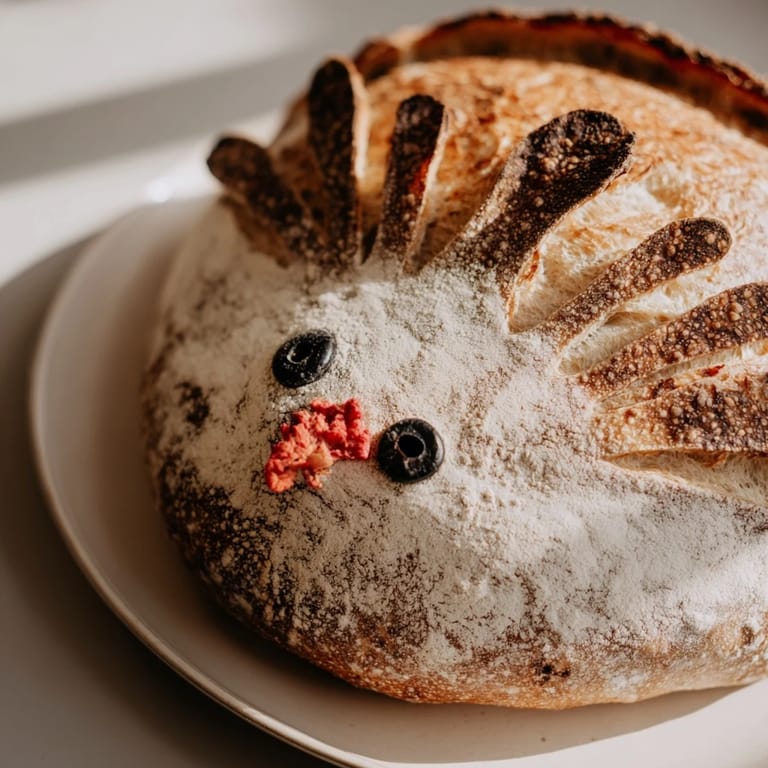
- Black olives or peppercorns (1–2): These become the eyes—small details that transform bread into a character.
- Red bell pepper or dough scraps: For the wattle, the little dangly part under the turkey's chin that adds personality and color contrast.
- Egg for wash (optional): Gives you that mahogany shine that makes the crust glow; aquafaba or plant milk works beautifully for vegan versions.
- Seeds (poppy, sesame, or flax): Sprinkled before baking, these mimic feather texture and add subtle flavor and crunch.
Tired of Takeout? 🥡
Get 10 meals you can make faster than delivery arrives. Seriously.
One email. No spam. Unsubscribe anytime.
Instructions
- Mix flour and water, then rest:
- In a large bowl, combine your flour and room-temperature water until you have a shaggy, flour-dusted mess with no dry bits. This 30–45 minute rest, called the autolyse, lets the flour fully hydrate and actually develops gluten without you doing anything.
- Add starter and salt:
- Mix in your active starter and salt until everything is evenly combined. The dough will feel slack and sticky at this point, and that's exactly right.
- Stretch and fold your way to strength:
- Over the next 2 hours, gently grab one side of the dough, stretch it up and fold it over itself, rotate the bowl 90 degrees, and repeat. Do this 3–4 times, every 30 minutes; you're building gluten strength without aggressive kneading.
- Bulk ferment until doubled:
- Let the dough sit covered at room temperature (21–23°C/70–74°F) for 5–7 hours, watching it rise and develop bubbles across the surface. When you poke it gently, it should feel airy but not collapse completely.
- Shape your turkey:
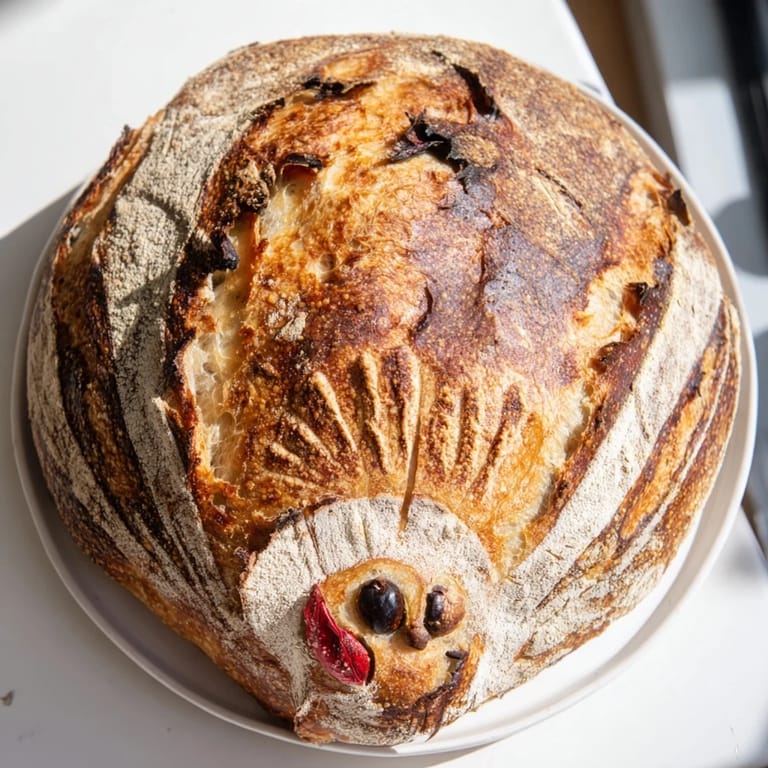
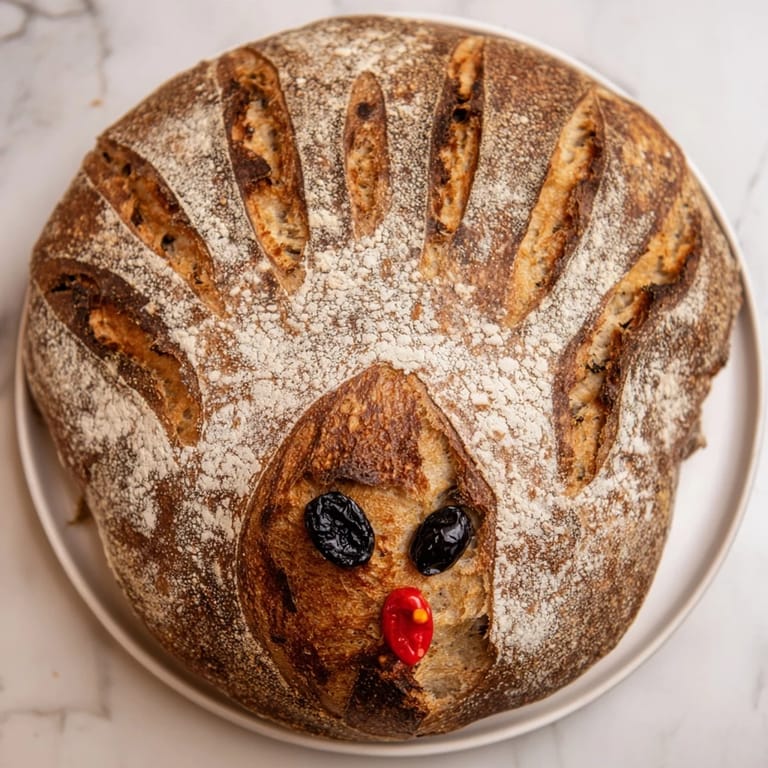
- Turn the dough onto a lightly floured surface and gently divide into pieces: one large oval for the body, a small round for the head, and several teardrop shapes for tail feathers and wings. This is where you get to play artist—don't stress about perfection.
- Assemble and detail:
- On parchment paper, place your oval body piece, then attach the head using a tiny splash of water as glue. Arrange feathers and wings around the body in a fan pattern, then use a sharp knife or bread lame to score delicate feather lines into the dough.
- Add the personality touches:
- Press black olive pieces or peppercorns into the head for eyes and shape a small red pepper or dough piece as a wattle hanging below the head. These small details make it unmistakably a turkey.
- Final proof:
- Cover loosely and let sit at room temperature for 1–2 hours until the dough feels slightly puffy and pillowy to the touch. Don't let it overproof or it'll spread into a formless blob.
- Bake with steam and heat:
- With a preheated stone or steel in a 230°C (450°F) oven, slide your parchment-lined turkey directly onto it and bake for 20 minutes with steam (a pan of boiling water on the lower rack creates steam). Lower the heat to 200°C (400°F) and bake another 20 minutes until the crust is deep golden and the loaf sounds hollow when you tap the bottom.
- Cool completely:
- This is the hard part—let it sit on a wire rack until it's completely cool. The crumb continues to set during cooling and slicing warm bread will compress it.
 Save
Save I remember pulling this turkey out of the oven on a gray November afternoon, the kitchen suddenly filled with the smell of caramelized crust and tangy fermentation. My partner came downstairs wondering what smelled so good, and when they saw this golden, feathered loaf cooling on the rack, they just laughed. That moment—the pure joy of creating something beautiful and delicious—is exactly why I keep making this bread.
Sourdough Starter Timing and Temperature
Sourdough fermentation is all about temperature. A warmer kitchen (23–24°C) means faster fermentation and a shorter bulk stage, maybe 4–5 hours instead of 7. A cooler kitchen slows everything down, which is actually a gift because it gives you a longer window to catch the dough at the right moment. I've found that cooler fermentation also develops more complex sour flavor, but you're trading time for taste. The key is learning your kitchen—pay attention to how long it takes, and eventually you'll develop an instinct for when the dough is ready, regardless of the exact hours.
Shaping Without Fear
The first turkey I shaped looked more like a confused chicken, and I was convinced it would be a disaster. Then I realized something: bread is incredibly forgiving, and slight imperfections actually add charm. Your dough pieces don't have to be perfectly symmetrical—a slightly wobbly tail feather looks more authentic than a geometric perfection. Use water as your glue between pieces, but don't overdo it or the dough gets slippery and won't hold its shape.
Flavor and Vegan Variations
The tangy, complex flavor here comes from the sourdough itself, but you can deepen it further by adding fresh rosemary or thyme to your dough during the initial mix. Just chop it finely and mix it in with your starter and salt. For a completely vegan version, skip the egg wash entirely or brush the shaped loaf with unsweetened plant milk for a subtle sheen. Aquafaba (the liquid from canned chickpeas) also works beautifully and creates a slightly glossier finish.
- Experiment with different seeds for the feather accents—flax, sesame, and poppy each bring different flavors and colors.
- If you want more pronounced sourness, extend your bulk ferment to 7–8 hours or even do a cold overnight ferment in the fridge.
- Always bake this bread as a statement piece; it deserves to be the centerpiece of your table, not hidden away as an afterthought.
 Save
Save This turkey loaf has become my favorite thing to bake when I want to remind myself why I fell in love with breadmaking in the first place. It's the perfect marriage of technical skill and playful creativity—a bread that asks you to slow down, pay attention, and create something that nourishes both body and soul.
Kitchen Guide
- → How long does the sourdough fermentation take?
The bulk fermentation lasts around 5 to 7 hours at room temperature, followed by a proof of 1 to 2 hours before baking.
- → Can I make this loaf vegan?
Yes, simply skip the egg wash and use plant milk or water for brushing instead to keep it vegan.
- → What ingredients give the bread its tangy flavor?
The tanginess comes from the active sourdough starter and the long fermentation process.
- → How is the turkey shape created?
The dough is shaped into an oval body, a round head, and smaller teardrop-shaped feathers arranged around the body, then decorated with olives and bell pepper pieces.
- → What oven setup ensures the best bake for this loaf?
Preheat a baking stone or steel to 230°C with steam for the first 20 minutes, then reduce to 200°C for a further 20 minutes to achieve a golden crust.
- → Can I add herbs to the dough for extra flavor?
Yes, incorporating fresh herbs like rosemary or thyme into the dough enhances the aroma and flavor.