 Save
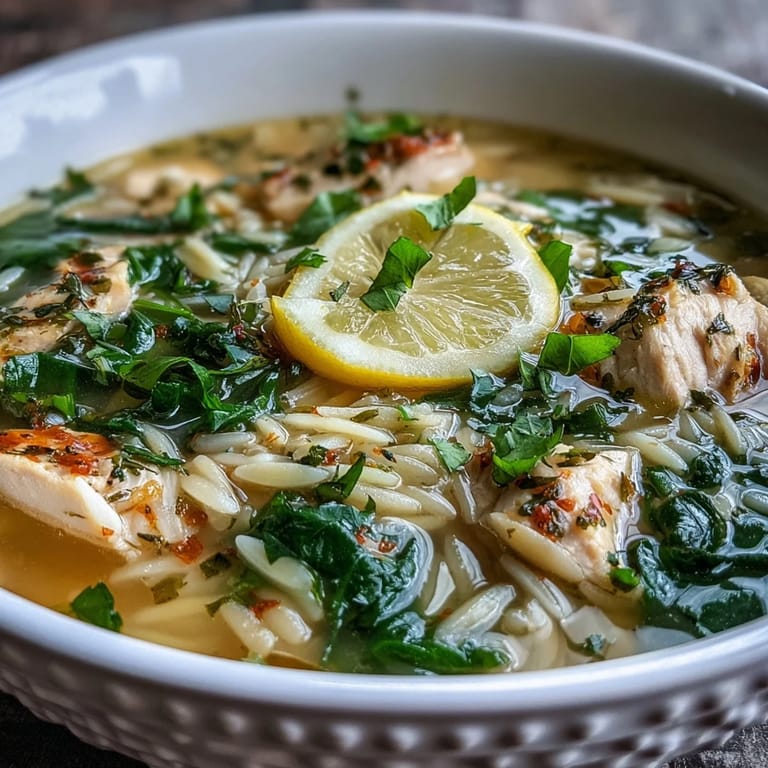
Save There's something about the smell of lemon hitting hot broth that makes everything feel lighter, even on the heaviest days. I discovered this soup by accident one February afternoon when I was tired of the same winter rotation and decided to throw together what felt Mediterranean but tasted like pure comfort. The bright acidity cuts through the richness in a way that feels almost playful, and somehow a bowl of this manages to be both nourishing and energizing at once.
I made this for a friend who was going through a rough patch, and watching her face change when that first warm spoonful hit was worth every minute at the stove. She kept saying it tasted like someone who cared had made it, and I realized that's exactly what the lemon does—it adds this intentional brightness that says you took a moment to think about making someone feel better.
Ingredients
- Boneless, skinless chicken breasts (2, about 400 g), diced: Dicing them small means they cook through quickly and break apart beautifully into tender pieces that don't dominate the bowl.
- Yellow onion (1 medium), finely chopped: The base of everything good happens here—those onions get sweet and soft as they sit in the oil, and they're what makes the broth taste like it's been simmering for hours.
- Carrots (2 medium), peeled and sliced: They add a gentle sweetness that balances the lemon's sharpness and soften just enough to feel like part of the soup rather than a separate vegetable.
- Celery stalks (2), sliced: This is the secret ingredient that people never notice but absolutely taste—it adds depth and a faint herbaceous quality that makes the broth feel more intentional.
- Garlic cloves (3), minced: Add this after the softer vegetables have had time to cook, or it will burn and turn bitter before the onions are even ready.
- Baby spinach (4 cups or 120 g), roughly chopped: Save this for the very end so it wilts into tender ribbons rather than turning dark and muddy from prolonged cooking.
- Orzo pasta (1 cup or 170 g): It's the perfect size for soup—small enough to feel delicate but substantial enough to give the broth something to cling to, and it absorbs all that lemon-forward flavor beautifully.
- Low-sodium chicken broth (6 cups or 1.4 L): Use the best broth you can find because it's the foundation here, and skipping quality will make everything taste a little bit flat.
- Olive oil (2 tablespoons): Just enough to coat the pot and get your vegetables softening without making the soup feel heavy.
- Lemon zest and juice (from 1 large lemon): The zest adds an almost floral quality while the juice brings brightness that makes the entire soup feel alive and fresh.
- Dried oregano (1 teaspoon): This ties everything to the Mediterranean and adds an earthy whisper that makes the lemon sing even louder.
- Bay leaf (1): It quietly holds everything together—remove it before serving or someone will bite it and regret everything.
- Salt and freshly ground black pepper, to taste: Taste as you go because the lemon will want a little extra salt to really shine.
- Fresh dill or parsley, chopped (optional): If you add this, do it right at the end so the herbs stay bright and don't lose their personality to the heat.
- Lemon wedges (optional): Serve these on the side so people can add more acidity if they want—some people are braver with lemon than others.
Tired of Takeout? 🥡
Get 10 meals you can make faster than delivery arrives. Seriously.
One email. No spam. Unsubscribe anytime.
Instructions
- Warm your pot and start building the base:
- Heat the olive oil over medium heat and add your onion, carrots, and celery together, letting them soften for about five minutes while you listen to them sizzle and start to smell sweet. Stir them occasionally so they color evenly instead of catching on the bottom.
- Bloom the garlic:
- Once your vegetables are soft and the kitchen smells like the beginning of something good, add the minced garlic and cook for just about a minute until it becomes fragrant and stops smelling raw. Don't walk away during this part—you want the garlic to wake up but not burn.
- Brown the chicken lightly:
- Add your diced chicken to the pot, season it with a pinch of salt and pepper, and let it cook for three to four minutes until the outside loses its raw appearance. The chicken won't be fully cooked yet, and that's exactly right—it will finish cooking in the broth.
- Pour in the broth and aromatics:
- Add all six cups of chicken broth along with the bay leaf and dried oregano, then turn up the heat until you see bubbles breaking the surface. Once it reaches a rolling boil, dial the heat back down to a gentle simmer where you see small bubbles moving lazily through the broth.
- Cook the orzo until tender:
- Stir in the orzo pasta and let it cook for eight to ten minutes, giving it the occasional stir so the pieces don't stick together or to the bottom of the pot. The orzo will absorb the broth as it cooks and start to taste like the soul of the soup.
- Finish with spinach and lemon:
- Fish out the bay leaf with a spoon, then add the chopped spinach along with the lemon zest and juice all at once, stirring gently until the spinach wilts into dark green ribbons. Let everything simmer together for just two minutes so the lemon flavor settles into the broth instead of sitting on top.
- Taste and serve:
- Before ladling into bowls, taste a spoonful and decide if it needs more salt, pepper, or a squeeze more lemon juice to match your preference. Ladle into bowls and top with fresh herbs and lemon wedges if you're using them.
 Save
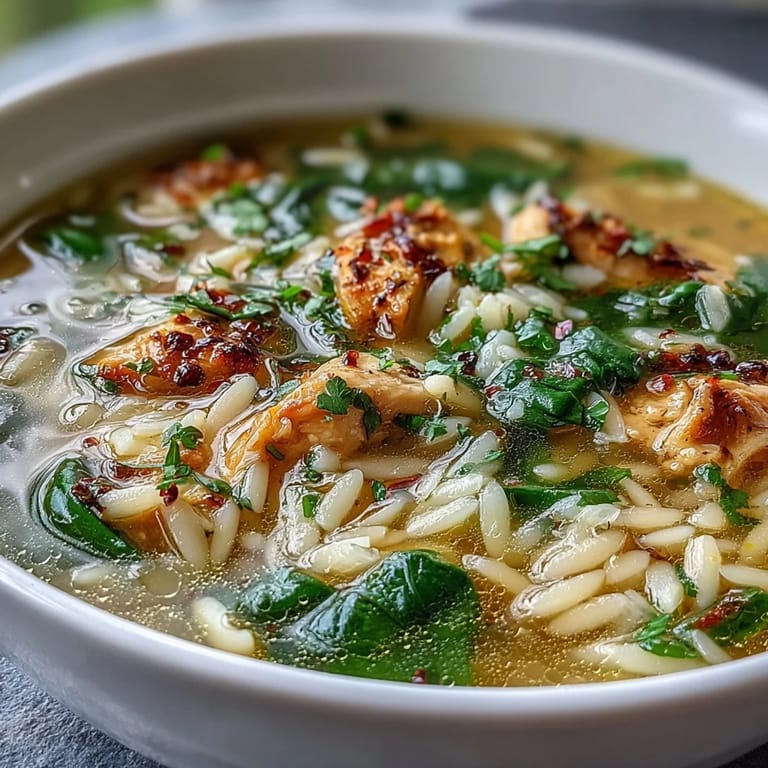
Save There's a moment in cooking when the soup stops being separate ingredients and becomes something unified, and that's when the lemon hits and everything shifts into focus. That's when you know you've got something worth sharing.
Shortcuts That Actually Work
If you're working with time pressure, rotisserie chicken is your best friend here—shred about two cups of it and add it right along with the spinach so it just needs to warm through instead of cooking from raw. It cuts about ten minutes off the total time and honestly, no one will know the difference because the soup is flavorful enough that it doesn't matter where the chicken came from. The only thing you lose is the small joy of watching the chicken turn from raw to cooked in front of you, but some days that trade is worth it.
When You Want to Switch It Up
The orzo is wonderful but not mandatory—rice works beautifully here, or any small pasta shape you happen to have in the pantry, and the cooking time stays about the same. I once made this with fregola, which is this Sardinian pearl pasta, and it gave everything a slightly nuttier texture that felt unexpectedly sophisticated. The spinach can be swapped for kale if you want something a little sturdier, though you'll need to add it a few minutes earlier so it has time to become tender.
Building Flavor Without Fuss
This soup proves that you don't need a complicated ingredient list to make something that tastes thoughtful and intentional. The secret is giving each element its moment—the vegetables get time to soften and sweeten, the chicken cooks gently so it stays tender, and the lemon arrives at the very end to wake everything up. It's a lesson in patience and layering rather than throwing everything in at once and hoping for the best.
- Keep the heat gentle during the simmer so the broth stays clear and clean-looking instead of becoming cloudy and agitated.
- If you're serving this to people who are particular about texture, cut the spinach more finely so it integrates smoothly instead of existing as distinct leaves.
- Crusty bread and a crisp white wine like Sauvignon Blanc are optional but somehow this soup asks for both.
 Save
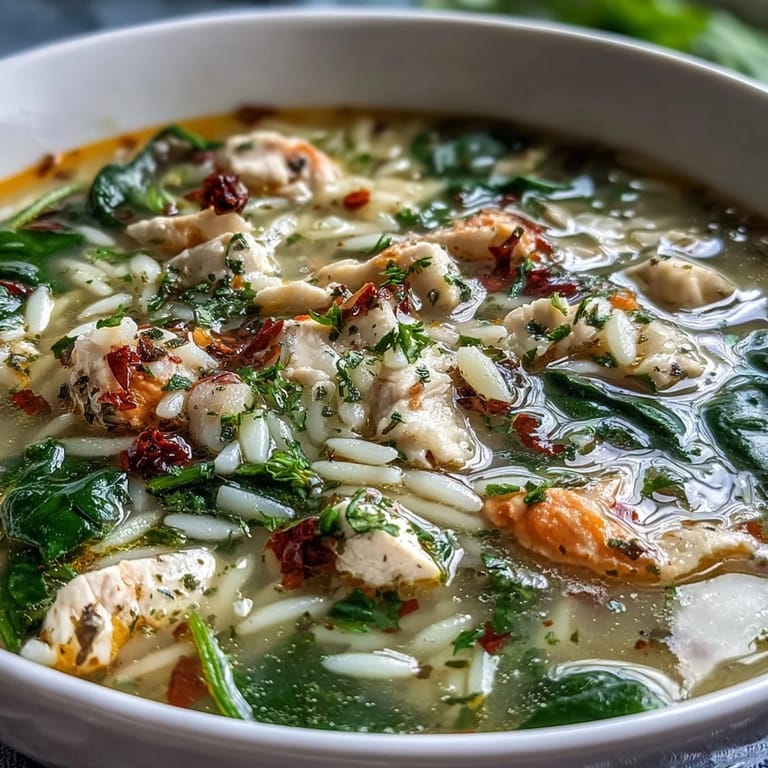
Save This is the kind of soup that reminds you why you bother cooking at all. Serve it warm, with good bread, and watch it become someone's comfort.
Kitchen Guide
- → Can orzo be substituted with other grains?
Yes, orzo can be replaced with rice or small pasta shapes to suit your preference or dietary needs.
- → How can I make the dish creamier without dairy?
Whisking an egg yolk with hot broth and stirring it in off heat adds creaminess without dairy ingredients.
- → Is there a quicker way to prepare this dish?
Using rotisserie chicken and adding it with the spinach shortens cooking time significantly.
- → What herbs complement the flavors in this dish?
Dill or parsley add fresh herbal notes; dried oregano is used during cooking for subtle earthiness.
- → What allergens should I be aware of?
This dish contains wheat from orzo and may have traces of celery and eggs if adding the optional egg yolk.