 Save
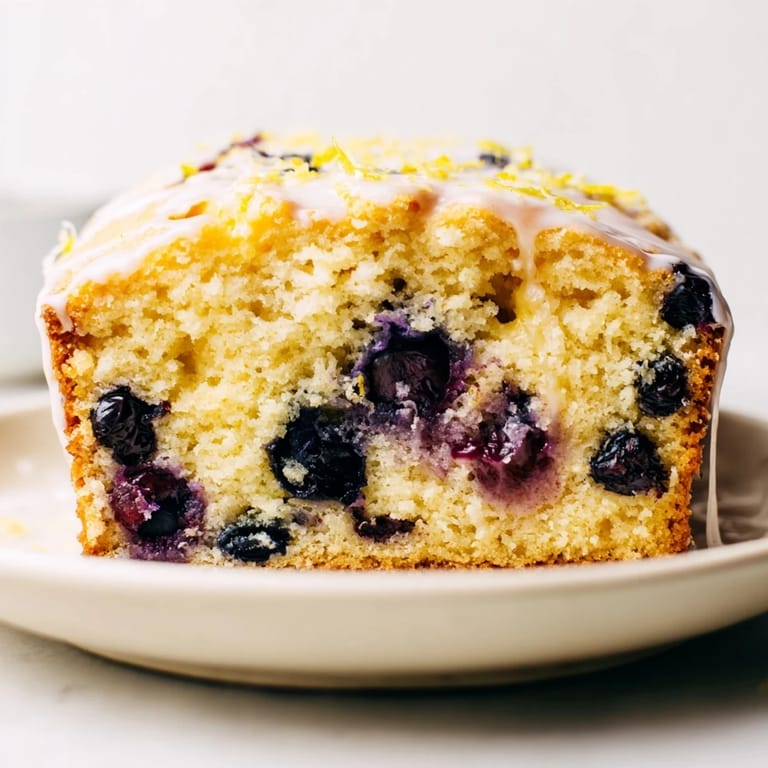
Save There's something about a loaf cake that feels effortless in the best way possible. I discovered this blender method on a lazy Sunday morning when I didn't want to dirty half the kitchen, and I realized I could have a tender, citrus-bright cake cooling on my rack before noon. The first time I made it, my partner walked in midway through and asked if I was actually baking or just making a smoothie—and honestly, that's the whole charm of it. Lemon and blueberries together somehow feel both summery and cozy at the same time.
I made this for my book club last month, and it became the thing everyone asked for the recipe to. Someone mentioned their family always brought store-bought lemon cake to potlucks, and after tasting a slice of this, they said they'd never go back. That moment—when something homemade becomes someone's new standard—is what makes baking feel purposeful.
Ingredients
- Eggs (2 large): They emulsify with the oil to create a tender crumb and help the cake rise evenly without any dense spots.
- Greek yogurt (1 cup): The tang cuts through sweetness and keeps the loaf moist for days, unlike cakes that dry out by day two.
- Vegetable oil (1/2 cup): Oil keeps the crumb tender in a way butter sometimes can't—this is the secret to that pillowy texture.
- Lemon zest (1 tbsp finely grated): Don't skip this or use bottled; fresh zest delivers bright, floral notes that make people ask what that flavor is.
- Fresh lemon juice (1/4 cup): Balance it with the sweetness and add that subtle sharpness that lingers on your tongue.
- Vanilla extract (1 tsp): A small amount rounds out the citrus without making the cake taste like vanilla.
- All-purpose flour (1 1/2 cups): Measure by spooning and leveling, not scooping, or you'll end up with a dense loaf.
- Granulated sugar (3/4 cup): This amount is intentional—less than traditional cakes because the tartness of lemon and yogurt need room to shine.
- Baking powder (2 tsp) and baking soda (1/2 tsp): The combination ensures the cake rises gently and stays tender instead of rubbery.
- Fine sea salt (1/4 tsp): A pinch amplifies the lemon flavor and keeps everything from tasting one-dimensional.
- Fresh blueberries (1 cup): If using frozen, don't thaw—they'll hold their shape better and won't bleed into the batter.
- Powdered sugar and lemon juice for glaze: Optional, but a thin drizzle adds a professional finish and extra tartness.
Tired of Takeout? 🥡
Get 10 meals you can make faster than delivery arrives. Seriously.
One email. No spam. Unsubscribe anytime.
Instructions
- Set yourself up for success:
- Preheat your oven to 350°F and line a 9x5-inch loaf pan with parchment paper—it sounds fussy, but it means your cake slides out without sticking and you're not cursing under your breath while trying to flip a hot pan. Let everything come to room temperature if you have time; cold ingredients blend less smoothly.
- Blend the wet base until silky:
- Add eggs, yogurt, oil, lemon zest, lemon juice, and vanilla to your blender and let it run until completely smooth and pale, about 45 seconds. You're looking for no streaks of yogurt or oil visible—this is what creates an emulsion and gives the cake its tender crumb.
- Add dry ingredients with a gentle hand:
- Add flour, sugar, baking powder, baking soda, and salt, then pulse just until the flour disappears—maybe 3 to 5 pulses. Stop the moment you don't see dry bits, because overblending develops gluten and makes the cake dense and tough.
- Fold in the blueberries like you mean it:
- Toss the blueberries with 1 tablespoon of flour so they're coated, which helps them float instead of sinking. Pour the batter into a bowl, then gently fold the berries in with a spatula using an underhand motion—this takes 30 seconds and is the only moment where you slow down.
- Get the batter into the pan:
- Pour everything into your prepared pan and use a spatula to smooth the top so it bakes evenly. If there are air bubbles visible, tap the pan gently on the counter a couple of times.
- Bake until a toothpick comes out clean:
- Set a timer for 50 minutes and check with a toothpick inserted into the center—if it comes out with no batter clinging to it, you're done. If the top is browning too fast around 40 minutes, tent the pan loosely with foil so the edges don't burn before the center is set.
- Cool with patience:
- Let the loaf sit in the pan for 10 minutes so the structure sets, then turn it out onto a wire rack to cool completely. This prevents that sad, dense bottom layer that happens when you wrap up a still-warm cake.
- Glaze if the mood strikes:
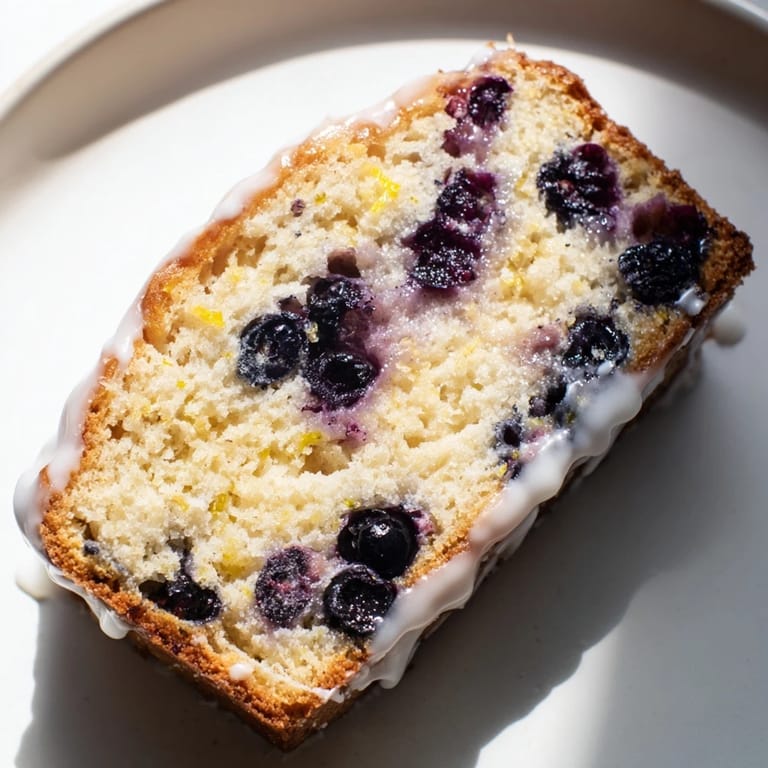
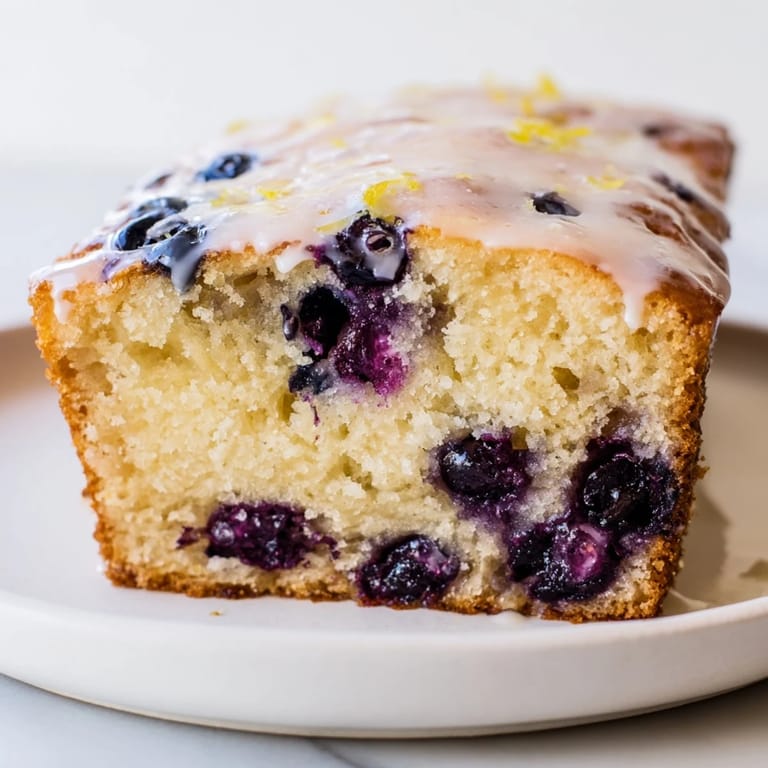
- Whisk powdered sugar with lemon juice until smooth and drizzle it over the completely cool loaf—it pools into the little crevices and looks like you spent effort on presentation.
 Save
Save My neighbor brought over a loaf I'd made the week before and said she'd frozen half of it, then thawed a slice for breakfast one morning and couldn't tell the difference from fresh. That's when I realized this cake isn't just easy—it's genuinely good enough to make people rethink what homemade baking should taste like.
The Secret of the Blender Method
Using a blender instead of creaming butter and sugar separately might feel like cheating, but it's actually smarter. The oil emulsifies instantly with the eggs and yogurt, creating a batter that's already silky before the flour even enters the picture. What I love is that you can't overmix wet ingredients the way you can with a mixer—the blender does its job and then you're done. It sounds like a shortcut, but it's really just efficiency designed by people who've been making cakes long enough to know what actually matters.
Why This Works Every Single Time
The combination of baking powder and baking soda is deliberate and important. Baking soda reacts immediately with the acidity from the yogurt and lemon juice, giving you a quick rise, while baking powder provides a slower, steadier rise that carries the cake through the rest of baking. Together they make sure you get a tender, evenly risen loaf instead of something dense at the bottom or gummy in the middle. The acid-base balance is also why the flavor feels so bright—the baking soda neutralizes some of the tartness just enough that the cake tastes sophisticated instead of puckering.
Flavor Variations and What They Do
This recipe is a template that invites gentle experimentation. Add 1/2 teaspoon of almond extract for a subtle nod to cherry blossoms, or use lavender-infused yogurt for something floral and unexpected. A tablespoon of poppy seeds adds a gentle crunch that feels intentional. If you want to lean into the tea-time angle, a pinch of cardamom is barely noticeable but somehow makes people pause and ask what that lovely warmth is. The lemon stays the star in all of these—you're just letting it have different supporting players.
- Almond extract (1/2 tsp) shifts the whole vibe toward sophisticated European pastry-shop territory.
- Poppy seeds (1 tbsp) add texture and make the crumb feel less delicate, more intentional.
- Cardamom (pinch of ground seeds) whispers in the background and pairs beautifully with Earl Grey tea.
 Save
Save This loaf has become my go-to when I need something that feels thoughtful but doesn't ask much of me. It's taught me that the best recipes aren't the most complicated ones—they're the ones that deliver joy and somehow taste like you spent more time on them than you actually did.
Kitchen Guide
- → Can I use frozen blueberries?
Yes, frozen blueberries can be added directly without thawing to maintain their shape and prevent the batter from becoming too wet.
- → How do I prevent blueberries from sinking?
Tossing blueberries in a tablespoon of flour before folding them gently into the batter helps keep them evenly distributed during baking.
- → What can substitute for yogurt in this loaf?
Coconut yogurt or other non-dairy options work well for a dairy-free alternative while keeping moisture and tenderness.
- → How long should I bake this loaf?
Bake for 50 to 55 minutes at 350°F (175°C), or until a toothpick inserted in the center comes out clean.
- → Is it necessary to use a blender?
Using a blender simplifies mixing and creates a smooth batter, but you can combine ingredients by hand with care to avoid overmixing.
- → Can I add a glaze?
An optional glaze made from powdered sugar and lemon juice can be drizzled over the cooled loaf for extra citrus sweetness.