 Save
Save My daughter came home from school asking why her friend's pasta was orange, and I realized I'd been making the same basic red sauce for years without thinking. That conversation sparked something—what if I could make a sauce so good that she'd never know it was loaded with vegetables she normally avoided? The first batch was hesitant, almost apologetic in its approach, but when she cleaned her plate without complaint, I knew I'd stumbled onto something worth perfecting.
There's a specific evening I think about—my partner's skeptical face as I stirred this sauce, the way the kitchen filled with a smell so good it seemed impossible that zucchini was in there. By the time I served it over fresh pasta, the doubt had completely disappeared, replaced by a quiet satisfaction that somehow this simple trick had become essential to our weeknight routine.
Ingredients
- 2 medium carrots, peeled and chopped: They sweeten the sauce naturally and add a subtle earthiness that balances tomato acidity in ways salt never could.
- 1 medium zucchini, chopped: Mild flavor that disappears into creaminess once blended, contributing moisture and body without any vegetal sharpness.
- 2 cups fresh spinach, washed and roughly chopped: Adds iron and depth; the flavor becomes almost invisible but the nutrition stays.
- 1 medium onion, chopped: The foundation of savory flavor—always chop it fine so it softens quickly and blends seamlessly.
- 2 cloves garlic, minced: Use fresh garlic here, not powder; it needs to build flavor during the initial sauté.
- 2 tablespoons olive oil: Quality matters more than quantity; good oil carries all the flavor forward.
- 1 can (28 oz/800 g) crushed tomatoes: San Marzano if your budget allows, but any crushed variety works as long as it's not sauce with added ingredients.
- 2 tablespoons tomato paste: This concentrate deepens flavor and adds richness that fresh tomatoes alone can't match.
- 1 teaspoon dried oregano: The Italian backbone; don't skip it or use fresh here since fresh herbs can turn bitter during long cooking.
- 1 teaspoon dried basil: It works in partnership with oregano to create that familiar pasta sauce warmth.
- 1/2 teaspoon salt, or to taste: Add gradually and taste constantly since blending can make flavors taste different than you expect.
- 1/4 teaspoon black pepper: Fresh cracked pepper adds subtle texture and brightness to the finished sauce.
- 1/2 teaspoon sugar (optional): A trick I learned from a Sicilian neighbor—just enough to soften acidity without tasting sweet.
- 1/4 cup grated Parmesan cheese and fresh basil for garnish: Optional but transformative; the cheese adds savory depth and fresh basil brings one final brightness.
Tired of Takeout? 🥡
Get 10 meals you can make faster than delivery arrives. Seriously.
One email. No spam. Unsubscribe anytime.
Instructions
- Start with the flavor foundation:
- Heat your oil over medium heat, then add onion and garlic, stirring until the kitchen smells incredible and the onion turns translucent—about three minutes. Don't rush this; it's where all the depth comes from.
- Build texture with the garden vegetables:
- Add carrots and zucchini, stirring every minute or so, until they've softened enough to break easily with a spoon, about five to seven minutes. This gentle cooking means they'll puree into the sauce instead of getting tough.
- Wilt in the greens:
- Add the spinach and watch it transform from bright green to dark and tender in about two minutes. The volume shrinks dramatically but the nutrition stays.
- Build the sauce:
- Pour in the crushed tomatoes and tomato paste, stirring until there are no streaks of paste visible. This is when the sauce shifts from scattered vegetables to something cohesive.
- Season with intention:
- Sprinkle in oregano, basil, salt, pepper, and sugar if using, stirring to distribute evenly. Bring everything to a gentle simmer—you should see small bubbles breaking the surface, not a rolling boil.
- Let time work its magic:
- Cover and lower the heat, simmering for twenty minutes while stirring occasionally. Everything will become incredibly soft and the flavors will marry into something deeper than the sum of ingredients.
- Transform to silk:
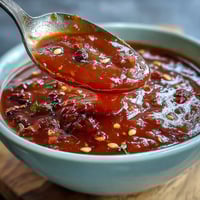
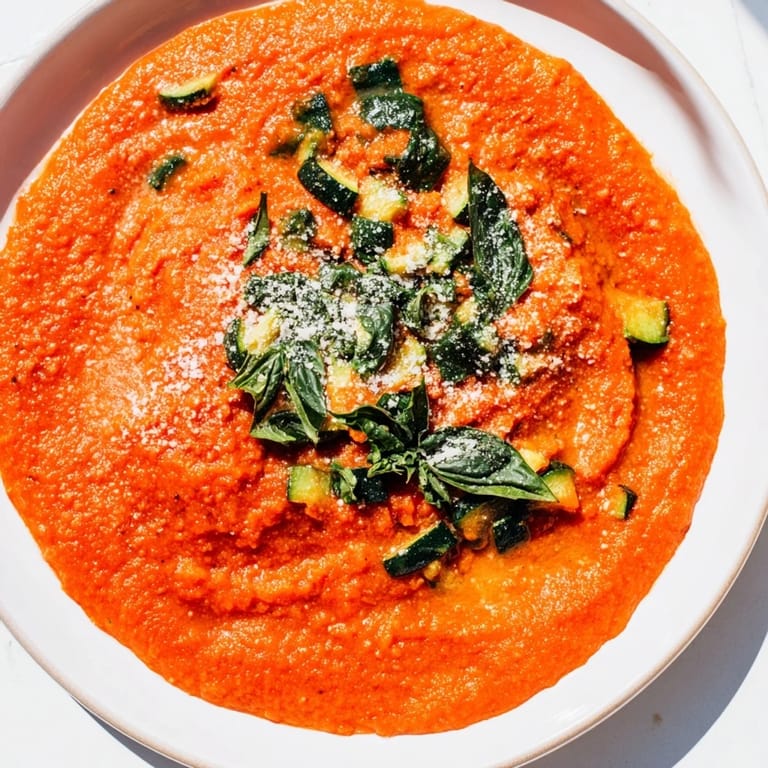
- Let the sauce cool just enough to handle safely, then use an immersion blender directly in the pot, moving it through the sauce until it's completely smooth. If using a countertop blender, work in batches and be cautious with hot liquid.
- Finish with finesse:
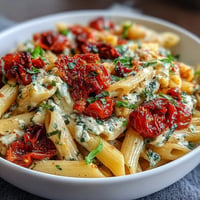
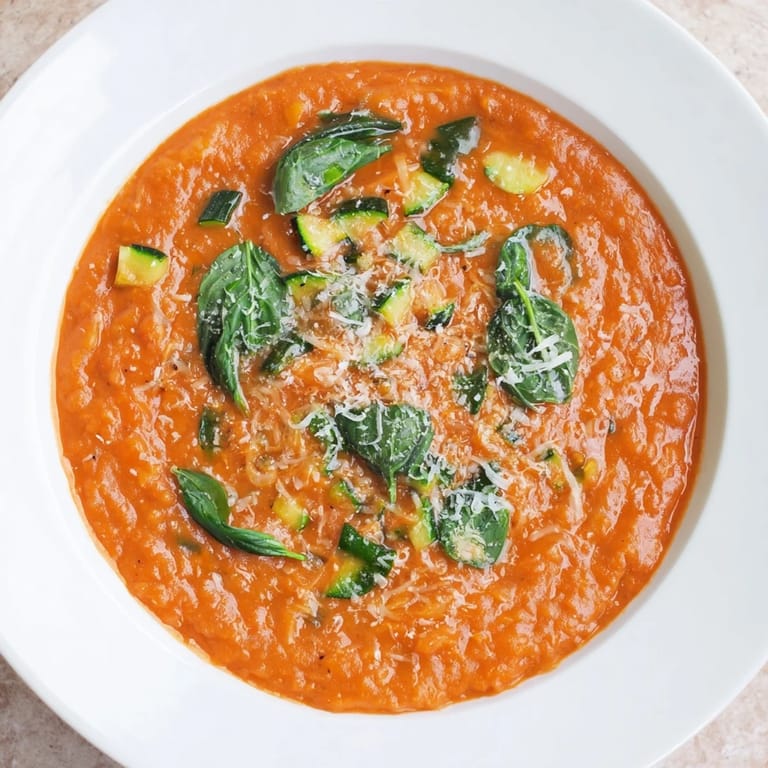
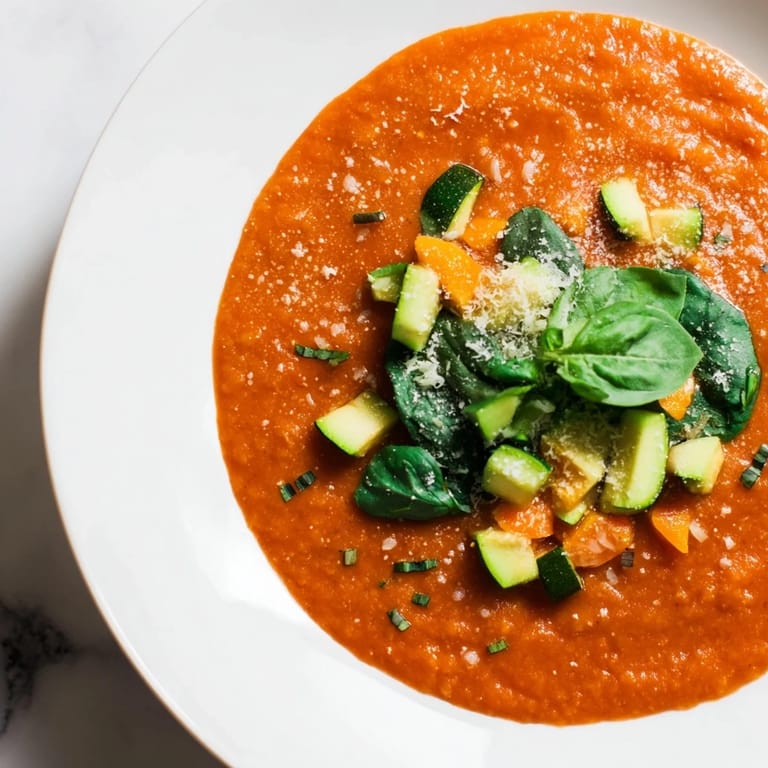
- Return everything to heat if needed, taste and adjust salt and pepper, stir in Parmesan if you're using it, and serve hot over your favorite pasta. Garnish with fresh basil if you have it.
 Save
Save I think about my nephew, who spent years declaring he hated anything green, sitting at our table without any fuss, asking for seconds of pasta. Nobody told him the secret until he was older, and when they did, he laughed at himself for ever doubting. It became a small family legend, the sauce that changed minds without anyone noticing.
The Immersion Blender Decision
An immersion blender is genuinely the easier path here—blend directly in the pot and you're done, no mess of transferring hot sauce. If you don't have one, a countertop blender works perfectly but requires patience and care; fill it only halfway, let the steam escape by cracking the lid slightly, and never leave it unattended. The few minutes either way matter far less than the smoothness of the final result.
Making It Your Own
This sauce is forgiving enough to welcome additions without losing its identity. A splash of cream stirred in at the end creates luxury, a tablespoon of butter adds gloss, and red pepper flakes scattered over the top bring heat for anyone who wants it. The base is sturdy enough to handle experimentation.
Storage and Freezing
Cooled sauce keeps in the refrigerator for four days and freezes beautifully for three months in single-serving containers. Defrost overnight in the fridge or reheat gently on the stovetop from frozen, adding a splash of water if it seems too thick. This is the kind of sauce that becomes more valuable the day after you make it, when you're exhausted and pasta sounds perfect.
- Cool the sauce completely before freezing so it doesn't steam the container and create ice crystals.
- Leave a tiny bit of headspace in freezer containers since the sauce expands as it freezes.
- Label with the date so you know you're using the oldest batches first.
 Save
Save This sauce taught me that feeding people well doesn't always mean complicated or showy—sometimes it means quietly slipping goodness onto their plate in a way they actually enjoy. That's worth making again and again.
Kitchen Guide
- → Can I make this sauce vegan?
Yes, simply omit the Parmesan or substitute with a plant-based cheese alternative to keep it vegan.
- → How do the hidden vegetables affect the taste?
The pureed carrots, zucchini, and spinach add subtle sweetness and earthiness without overpowering the tomato base.
- → What is the best way to blend the sauce smoothly?
Using an immersion blender directly in the pan or transferring the sauce to a countertop blender in batches ensures a creamy texture.
- → Can I freeze leftovers of this sauce?
Yes, portion the sauce into airtight containers and freeze for up to three months for convenient future use.
- → What dishes pair well with this tomato sauce?
This sauce works wonderfully over pasta, polenta, or as a base for baked vegetable dishes.