 Save
Save There's a particular Thursday evening I won't forget, when my partner mentioned craving something light but impressive, and I found myself standing in the kitchen with fresh salmon and a bunch of asparagus that needed using. I'd never thought much about herb roasting until that moment, but watching the salmon turn from translucent to opaque under the oven's heat while the asparagus caramelized at the edges felt like discovering something I'd been missing. That simple sheet pan dinner became the thing I'd reach for whenever I wanted to feel like I'd actually tried, without spending hours in the kitchen.
I made this for my sister's first dinner after she moved into her new place, and she kept asking how I made the herb crust look so intentional when really I just mushed them together in a bowl. The way her kitchen filled with that bright, herbaceous smell reminded me why I cook for people I care about—it's the easiest way to say something without actually saying it.
Ingredients
- Salmon fillets (4, about 170 g each): The star of the show deserves to be good quality, and skin-on keeps everything moist even if you accidentally overbake it by two minutes, which I definitely haven't done.
- Fresh asparagus (1 bunch, trimmed): Spring's best excuse to roast something, and the way it gets slightly crispy at the tips is honestly worth the price of admission alone.
- Lemon: Both sliced for topping and zested for the herb mixture, this citrus does double duty and brightens everything without feeling acidic or harsh.
- Olive oil (2 tablespoons total): Use something you actually like the taste of, because the heat won't destroy its character like it would in a sauce.
- Fresh dill, parsley, and chives (2 tablespoons combined): These herbs stay vibrant and don't turn bitter when roasted, unlike basil which I learned the hard way gets weirdly metallic in the oven.
- Garlic (2 cloves, minced): Finely minced ensures it cooks through and doesn't leave sharp little surprises in your bite.
- Sea salt and black pepper: The foundation, and honestly, good pepper makes more difference than people admit.
Tired of Takeout? 🥡
Get 10 meals you can make faster than delivery arrives. Seriously.
One email. No spam. Unsubscribe anytime.
Instructions
- Heat your oven and prepare:
- Get that oven to 200°C (400°F) and line your baking sheet with parchment paper while you gather everything else. This temperature is hot enough to get the salmon cooked through in about twenty minutes without the edges drying out.
- Season the asparagus:
- Arrange those spears in a single layer on one half of your sheet, then toss them with a tablespoon of olive oil and half the salt and pepper. They'll roast alongside the salmon and should be tender with just a little char on the tips when everything's finished.
- Position the salmon:
- Lay your fillets skin-side down on the other half of the sheet, leaving a little breathing room between pieces so hot air can circulate. Drizzle with the remaining olive oil and let them sit while you make the herb topping.
- Mix the herb crust:
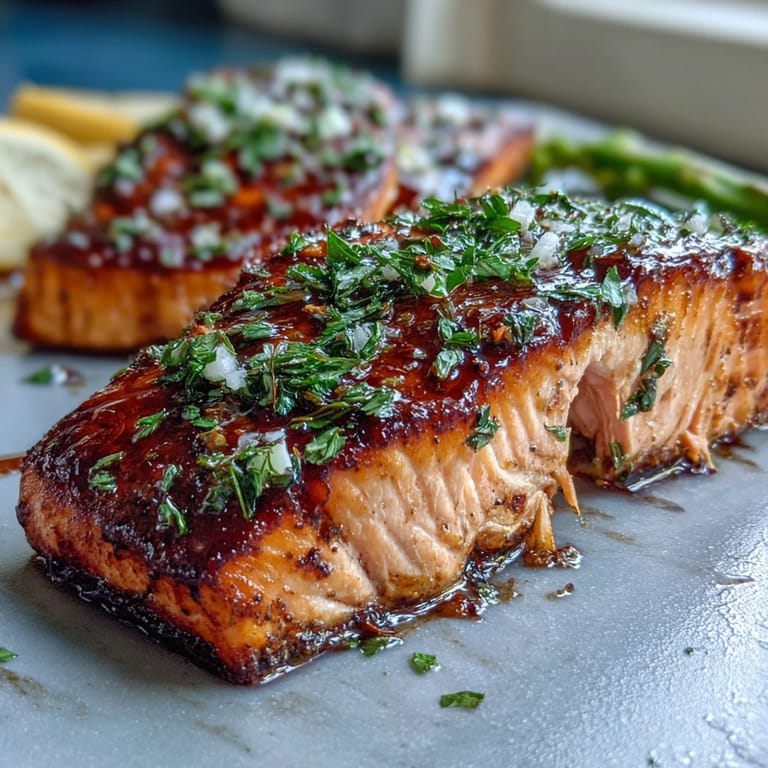
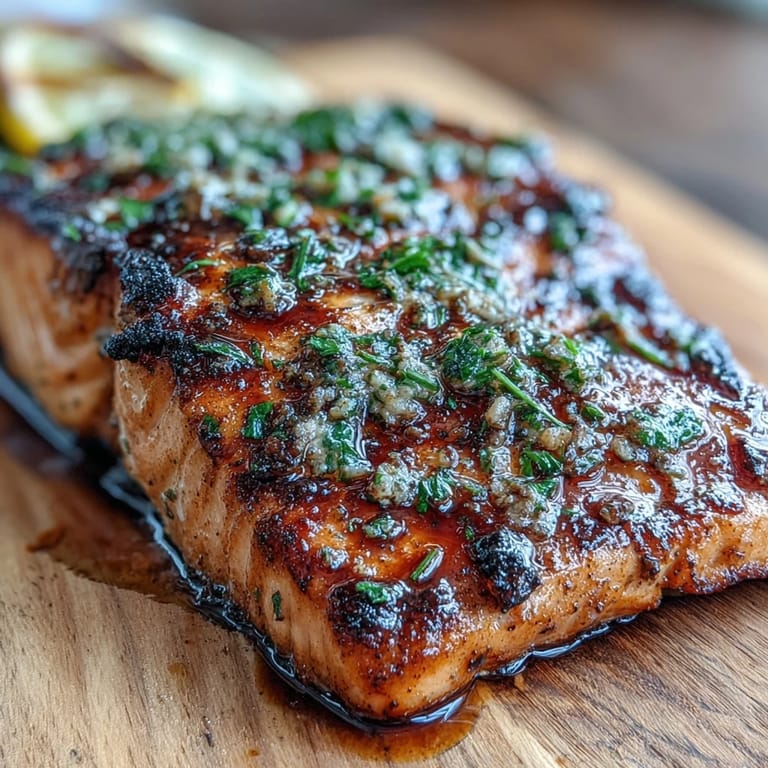
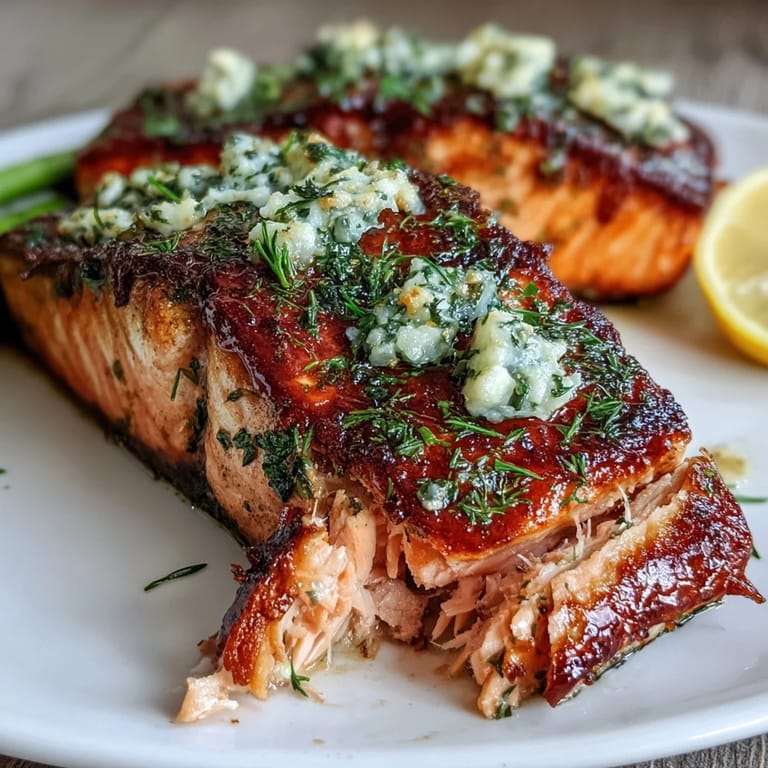
- In a small bowl, combine your dill, parsley, chives, minced garlic, lemon zest, and a pinch of salt and pepper. Press this mixture gently onto the top of each salmon fillet—it doesn't need to be perfect, just evenly distributed so every bite gets herb flavor.
- Add lemon slices:
- Top each fillet with a thin lemon slice, which will soften as it roasts and release its oils directly onto the fish.
- Roast until done:
- Put the whole sheet in the oven for fifteen to twenty minutes, watching for the salmon to turn opaque and flake easily when you press it with a fork. The asparagus should be tender and the lemon slightly caramelized on the edges.
- Serve immediately:
- Plate it while everything's still warm and the herbs are still bright green, adding extra fresh herbs and lemon wedges on the side if you want to look like you care, which you do.
 Save
Save What stuck with me most wasn't the cooking itself but the quiet moment when we sat down to eat, how the salmon was still steaming and the herbs smelled impossibly fresh, and nobody was worried about whether it was fancy enough. It was just good food made with care, and somehow that's always the best version of impressive.
Why Fresh Herbs Matter So Much
I've made this dish with dried herbs when I was being lazy, and the difference is honestly night and day—dried herbs taste muted and slightly musty compared to fresh ones, which taste like spring actually arrived in your mouth. Dried herbs work for some things, but a roasted salmon deserves the bright, almost peppery bite that fresh herbs bring. If you can't get fresh herbs, honestly just skip them and let the lemon do the talking instead of settling for something that tastes like a spice cabinet.
The One-Pan Magic
The real reason this dish gets made over and over in my kitchen is that there's genuinely only one pan to wash afterwards, and everything cooks at the same temperature so you're not juggling two different oven settings. Somehow splitting the sheet pan between vegetables and protein feels elegant but is actually just lazy in the best possible way. You roast salmon, roast asparagus, and pour yourself something to drink while your oven does all the actual work.
Variations and Substitutions
The beauty of this framework is that it's flexible without becoming unrecognizable, so if you don't have dill or absolutely hate it, swap in tarragon for something more sophisticated or basil if you're feeling spring. Green beans and broccolini roast just as beautifully as asparagus, and honestly some nights I use them just because they're already in my crisper drawer. The herb crust works the same way on white fish, though you might watch the cooking time more carefully since thinner fillets cook faster.
- Try swapping the fresh herbs for tarragon or basil depending on your mood and what's actually in your garden.
- Broccolini and green beans work beautifully in place of asparagus if that's what you have on hand.
- This same technique transforms white fish, chicken breast, or even thick-cut tofu if you're cooking for someone who doesn't eat salmon.
 Save
Save Make this whenever you want dinner to feel intentional without feeling stressful, which is probably more often than you think. It's the kind of meal that reminds you why cooking for yourself matters.
Kitchen Guide
- → What herbs enhance the salmon flavor here?
Dill, parsley, and chives combine to create a fresh, aromatic herb crust that complements the richness of the salmon.
- → How do you cook the salmon evenly?
Roast the salmon skin-side down on a baking sheet at 200°C (400°F) for about 15–20 minutes until it flakes easily with a fork.
- → Can I substitute asparagus with other vegetables?
Yes, broccolini or green beans work well as alternatives for similar texture and flavor balance.
- → How is the asparagus prepared for roasting?
Trimmed asparagus is drizzled with olive oil, salted, and peppered before roasting next to the salmon for tenderness and flavor.
- → What wine pairs best with this dish?
A chilled Sauvignon Blanc or Pinot Grigio complements the light, herbal notes of the salmon and asparagus.