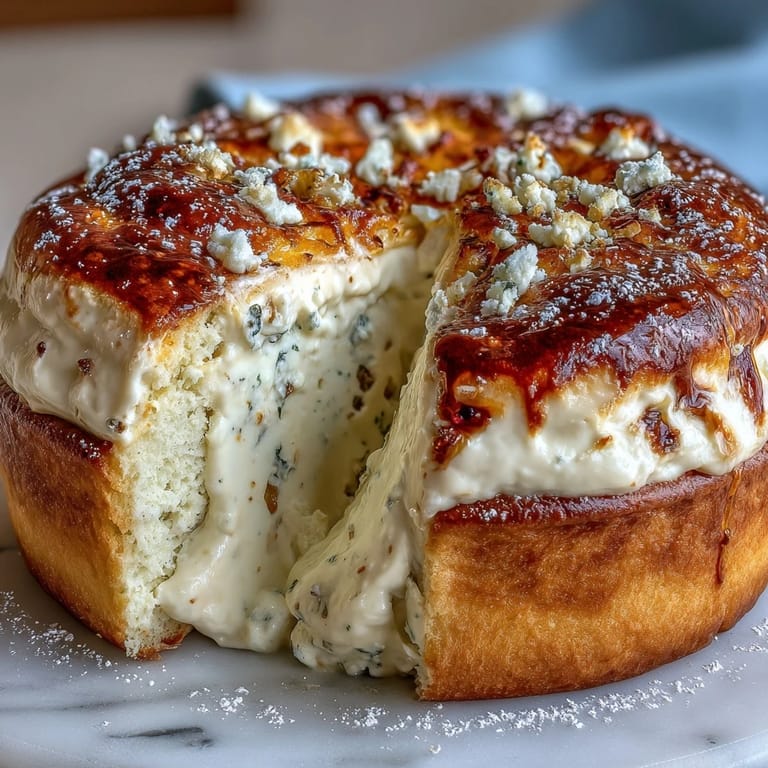
 Save
Save My grandmother's kitchen smelled like lemon and butter every Easter morning, and I'd watch her grate zest with the focus of someone performing a small miracle. She never measured the lemon—just trusted her nose and the way her hands moved through the motions she'd learned decades before. Years later, standing in my own kitchen on a chilly spring afternoon, I finally understood why this pie mattered: it wasn't just dessert, it was her way of saying the season had turned, and sweetness was returning.
I brought this to a neighborhood Easter potluck last year, and a woman I'd never spoken to before came back for a second slice and asked if I'd learned to make it from my mother. I hadn't—I'd learned it from a cookbook and some trial and error—but I loved that the pie suggested a kind of lineage, a whisper of tradition. That's when I realized the real magic of this recipe: it connects you to something bigger than just getting dessert on the table.
Ingredients
- All-purpose flour (2 cups for pastry): This is your foundation, and cold hands matter more than technique—the goal is a pastry that's tender and shatteringly crisp, not tough from overworking.
- Cold unsalted butter (1/2 cup): Cut it into cubes and keep it genuinely cold; those little pockets of butter are what create the flaky layers you're after.
- Eggs and egg yolk: The yolk creates richness in the pastry while the whole egg in the filling adds structure and a silky texture that powder-light ricotta alone can't achieve.
- Whole milk ricotta cheese (2 cups, well drained): This is non-negotiable—drain it for at least 30 minutes so you're not baking a watery filling that never sets properly.
- Fresh lemon zest (from 2 lemons): Microplane it finely so the flavor distributes evenly; pre-grated zest tastes like disappointment compared to the real thing.
- Heavy cream (1/4 cup): Just enough to prevent the filling from cracking as it bakes and to add a whisper of luxe to each bite.
- Powdered sugar for dusting: Save this for the very end—it melts slightly into the cool filling and looks like fresh snow.
Tired of Takeout? 🥡
Get 10 meals you can make faster than delivery arrives. Seriously.
One email. No spam. Unsubscribe anytime.
Instructions
- Build your pastry base:
- In a large bowl, whisk together flour, sugar, and salt, then add your cold butter cubes. Using just your fingertips, rub the butter into the flour until everything looks like coarse sand—this takes maybe three minutes of gentle work, and it's worth doing by hand so you can feel when you've hit that perfect texture. The warmth of your palms will start melting the butter, which is exactly what you want.
- Bring the dough together:
- Whisk your egg, egg yolk, and vanilla in a small bowl, then pour it into the flour mixture and stir until shaggy. Add cold water one tablespoon at a time, stirring gently, until the dough just barely holds together when you squeeze a handful—it should feel slightly dry, not sticky. You're aiming for a dough that stays together but doesn't feel overworked.
- Rest the pastry:
- Shape the dough into a flat disk, wrap it in plastic wrap, and chill for at least 30 minutes (or up to overnight). This resting time is when the gluten relaxes and the flavors meld together, making your pastry tender instead of tough.
- Prepare your pan:
- Preheat your oven to 350°F and lightly grease a 9-inch pie or tart pan. If you have a tart pan with a removable bottom, use that—it makes plating this beauty so much easier.
- Roll and fit the crust:
- On a lightly floured surface, roll the chilled dough to about 1/8-inch thickness, large enough to cover the bottom and sides of your pan with a little overhang. Transfer it gently to the pan, press it into the corners, and trim any excess with a knife, then prick the base all over with a fork to prevent puffing. Chill the fitted crust for 10 minutes while you prepare the filling.
- Make the ricotta filling:
- In a large bowl, whisk together your drained ricotta, sugar, eggs, vanilla, lemon zest, and lemon juice until smooth and no lumps remain. Add the flour, salt, and heavy cream, whisking until the mixture is silky and uniform—this should take about two minutes of steady whisking, and you'll know it's ready when it flows like thick cream.
- Fill and bake:
- Pour the filling into your prepared pastry shell and smooth the top gently with a spatula. Slide the pan into your preheated oven and bake for 55 to 60 minutes, until the filling is set around the edges but still has a slight wobble in the very center—this is the sign it's baked perfectly and won't be dry. The top should be lightly golden, and you might see tiny cracks forming around the edges, which is normal and beautiful.
- Cool and chill:
- Let the pie cool completely on a wire rack for at least an hour, then transfer it to the refrigerator for at least 2 hours (or overnight) before slicing. Cold pie tastes better and slices cleanly, revealing the creamy filling and delicate crust with precision.
- Finish and serve:
- Just before serving, dust the top generously with powdered sugar using a fine-mesh sieve, which gives you that elegant, even coating.
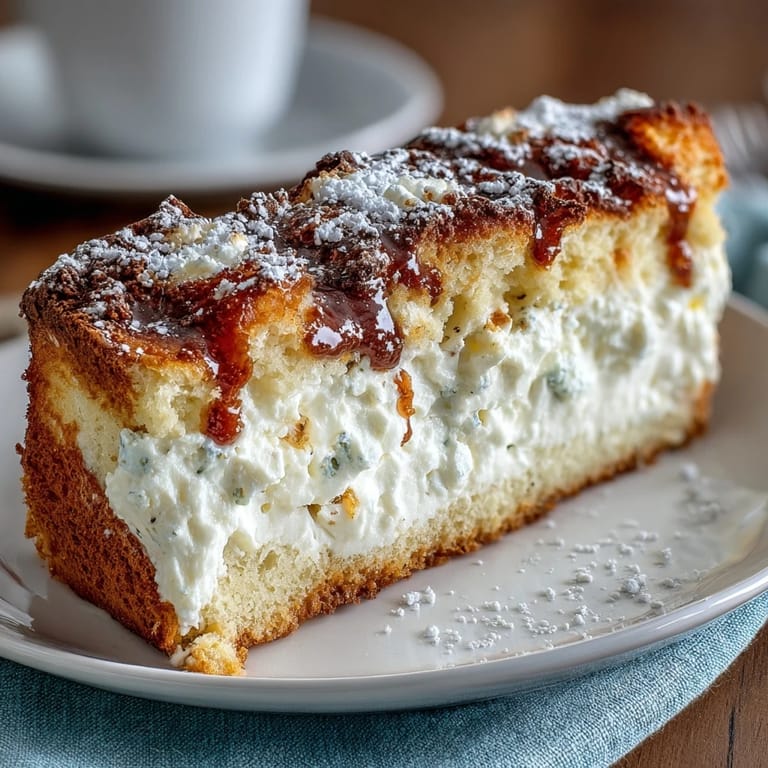 Save
Save There was a moment last spring when my daughter took her first bite, and she closed her eyes like she was listening to music. That's when I understood what my grandmother had been trying to give us all along—not just a dessert, but a reason to sit down together and taste something made with intention.
The Citrus Secret
Lemon zest is the entire personality of this pie, and I've learned through repetition that its power comes from freshness. The oils in fresh zest are bright and alive, while zest that's been sitting in your pantry tastes flat and dusty. I now zest my lemons immediately before baking, sometimes even rolling them firmly on the counter first to coax out those fragrant oils. The difference is subtle but real—your guests will taste spring instead of just sweetness.
Pastry Patience
I used to rush the pastry-making process, thinking speed meant efficiency, but I've learned that cold butter and cold hands create texture that's impossible to rush. On days when I've taken my time—rubbing the butter in slowly, chilling adequately, letting the dough rest—the crust shatters under your fork in the most satisfying way. It's one of those kitchen lessons where slowing down actually saves you, because a properly rested pastry is more forgiving and more delicious.
When to Serve and How to Celebrate
This pie reaches its full potential after sitting in the refrigerator overnight, when the flavors have melded and the texture is set firm enough to slice elegantly. I serve mine slightly chilled but not ice-cold, which lets the creaminess of the ricotta shine through without muffling the lemon brightness. Dust it with powdered sugar just before bringing it to the table, so you get that visual moment of transformation—humble pie becoming something that looks like it came from a bakery window.
- Fresh berries scattered across the top turn this into something festive without needing to complicate the recipe.
- A small drizzle of honey around the plate adds elegance and a touch of floral sweetness that echoes the lemon.
- Serve with espresso or a dessert wine, and you've created a moment, not just finished a meal.
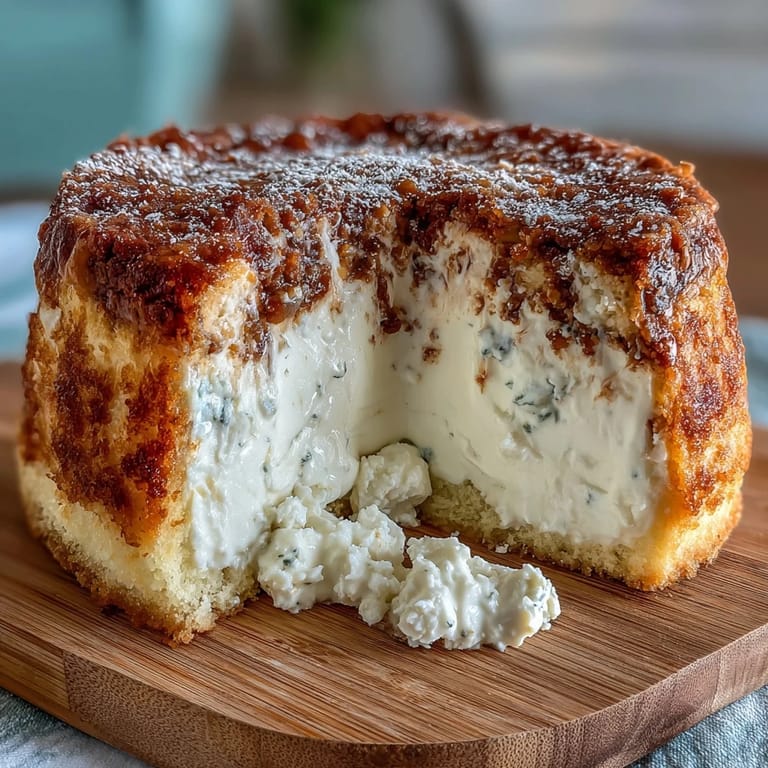 Save
Save This pie has taught me that tradition doesn't mean rigid rules—it means cooking with intention and care, then passing along both the recipe and the small lessons learned along the way. Make this once, and it becomes yours.
Kitchen Guide
- → What type of cheese is used in this pie?
Whole milk ricotta cheese is used, providing a creamy and smooth texture to the filling.
- → How does lemon zest affect the flavor?
Lemon zest adds bright and fresh citrus notes, enhancing the sweetness and balancing the richness of the ricotta.
- → Can I prepare the pastry crust in advance?
Yes, chilling the dough before rolling helps develop a tender and flaky texture, and the dough can be prepared a day ahead.
- → What is the recommended baking temperature and time?
Bake at 350°F (175°C) for approximately 55 to 60 minutes until the filling is set and lightly golden.
- → Are there any common substitutions for the crust?
Gluten-free flour can replace all-purpose flour to accommodate dietary needs without compromising texture.
- → How should the pie be served after baking?
Allow it to cool completely and chill for at least 2 hours before slicing. Dust with powdered sugar just before serving for a decorative finish.