 Save
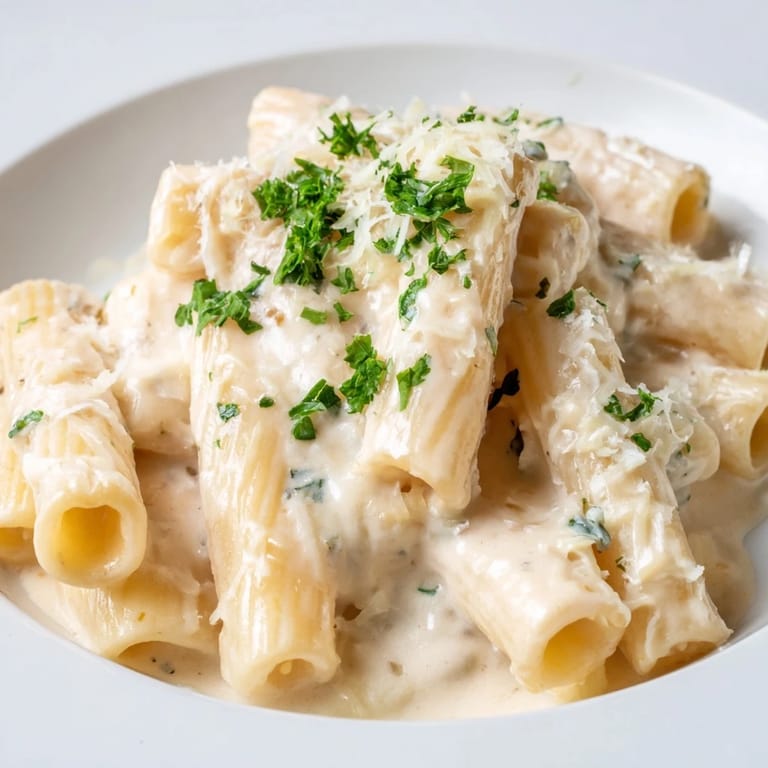
Save One rainy Wednesday, I stood at my stove with a craving for pasta but no cream in the pantry, only a liter of milk sitting quietly on the shelf. I wondered what would happen if I cooked the pasta directly in milk instead of water—a small experiment that turned into one of my favorite weeknight suppers. The result was so silky and comforting that I stopped reaching for heavy cream altogether.
I made this for my neighbor when she mentioned feeling under the weather, and watching her face light up at how comforting and nourishing it was reminded me why simple food cooked with care matters. She's requested it at every dinner party since, which is the highest compliment a home cook can receive.
Ingredients
- Short pasta (350g): Penne, fusilli, or rigatoni work beautifully because their shapes catch and hold the creamy sauce. I learned this the hard way after trying spaghetti and watching the sauce slip right off.
- Whole milk (1 liter): Use the real thing—it's what transforms into that silky sauce as the pasta cooks and starches release. Skim milk won't give you the same richness, and that's where the magic lives.
- Unsalted butter (60g): This is your flavor foundation, so don't skip it or use margarine. It creates the base where your garlic blooms before everything else joins the party.
- Garlic cloves (2, minced): Fresh is non-negotiable here. The moment that garlic hits the butter, your kitchen smells like comfort itself.
- Parmesan cheese (60g, grated): Freshly grated makes all the difference—pre-grated versions have anti-caking agents that make the sauce grainy instead of silky. Trust me on this one.
- Salt and black pepper: Start conservative and taste as you go, because the Parmesan adds its own saltiness that sneaks up on you.
- Nutmeg (pinch, optional): This is the secret whisper that makes people ask what makes it taste so good. Don't overdo it, just enough to intrigue.
Tired of Takeout? 🥡
Get 10 meals you can make faster than delivery arrives. Seriously.
One email. No spam. Unsubscribe anytime.
Instructions
- Melt the butter and bloom the garlic:
- Over medium heat, let the butter foam gently, then add your minced garlic. You want to hear it sizzle softly and smell that warm, toasted aroma—about a minute is perfect. If the garlic starts to brown, you've gone too far and it'll taste bitter.
- Pour in the milk slowly:
- Add the milk and watch it carefully as it heats. You're aiming for a gentle simmer with small bubbles around the edges, not a rolling boil that will scorch the bottom or make it separate. This patience is where most home cooks stumble.
- Stir in the pasta and seasonings:
- Add the pasta, salt, pepper, and that optional pinch of nutmeg. Stir constantly at first to prevent the pasta from sticking to the bottom of the pan. This is your moment to really pay attention—a wooden spoon and some elbow grease make all the difference.
- Cook and watch for the magic:
- As the pasta cooks, the starches release into the milk and create a creamy emulsion that's genuinely luxurious. Stir frequently over the next 12–15 minutes, tasting as you go to catch the moment when the pasta is tender but still has a tiny bit of resistance. If the sauce thickens too fast, splash in a bit more milk to slow things down.
- Finish with Parmesan and serve:
- Once the pasta is cooked, stir in your freshly grated Parmesan until it melts completely into a silky, glossy sauce. Taste and adjust seasoning—this is when you realize how much the Parmesan has already seasoned everything, so be gentle with extra salt.
 Save
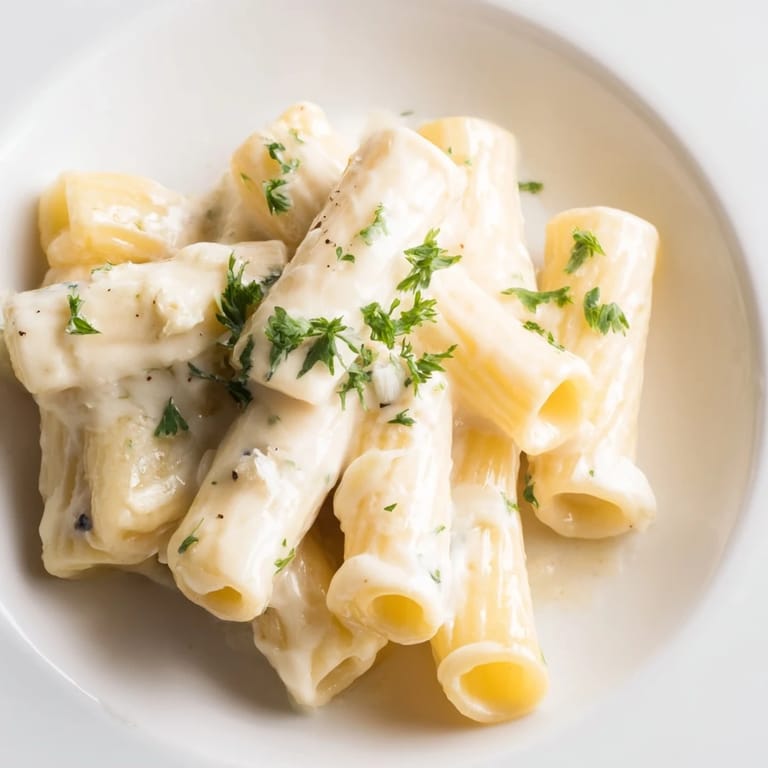
Save This dish became my go-to meal during a particularly busy month when I needed something that felt special but didn't demand much energy. My family started asking for it so often that what began as an accident became tradition, and now it's the meal I make when I want everyone to feel held and cared for in the gentlest way.
The Soul of One-Pot Cooking
There's something honest about cooking pasta in milk instead of water—it strips away the pretense and gives you a sauce that forms naturally, without cream or flour or complicated techniques. The kitchen fills with a warm, milky aroma that's both innocent and indulgent, and suddenly you're standing at the stove feeling like both a practical cook and someone creating something tender. This is the kind of meal that proves you don't need complexity to make people happy.
Making It Your Own
The beautiful thing about this base is how gracefully it accepts additions without losing its identity. I've stirred in sautéed mushrooms on autumn evenings when the farmers market was overflowing, and in spring I'll toss in fresh peas right at the end so they warm through without losing their bright green color. A friend of mine adds crispy bacon because she loves the contrast, and I've never once thought it was wrong—this dish is generous enough to welcome what you bring to it.
Timing and Temperature Matters More Than You Think
The difference between silky and grainy, between tender and mushy, lives in those few minutes where you're stirring and paying attention. Medium heat is your friend here—it's the speed that lets the pasta cook through while the milk thickens gradually into sauce. Rush it with high heat and the milk will break; neglect it and you'll have a scorched bottom with raw pasta floating on top, which I've also done.
- Set a timer for 12 minutes and then start tasting every minute or so until the pasta reaches that perfect al dente moment.
- If you're using a particularly thin pasta, it might finish closer to 10 minutes, so stay present and trust your bite test over the clock.
- Remember that the sauce will thicken slightly as it cools, so it's better to serve it a touch looser than you think you want.
 Save
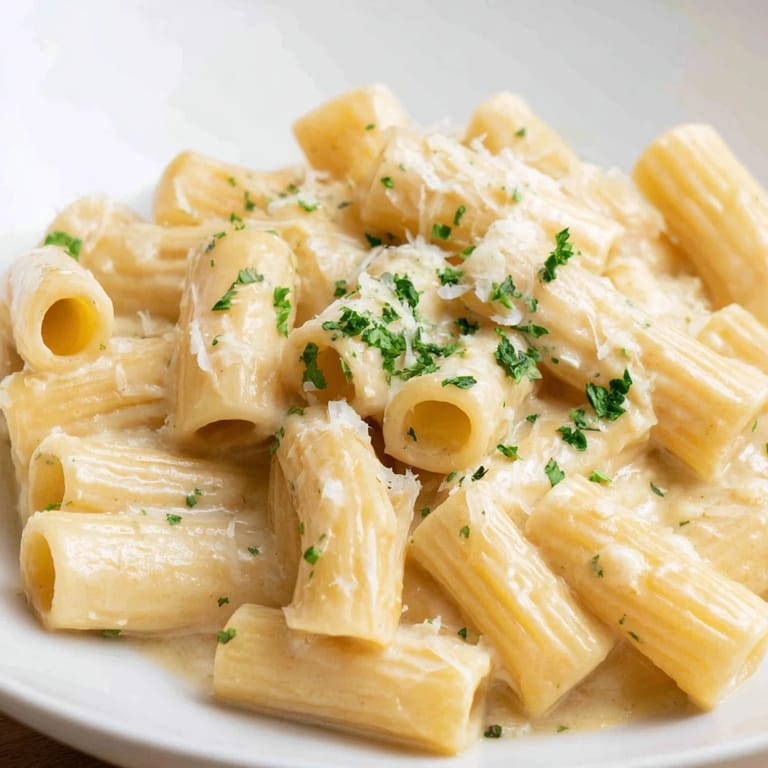
Save This creamy milk pasta has taught me that the best recipes aren't the ones that demand the most time or the fanciest ingredients—they're the ones that feel like home, that ask so little and give so much. Make it tonight, make it often, and watch how something so simple becomes the meal people remember.