 Save
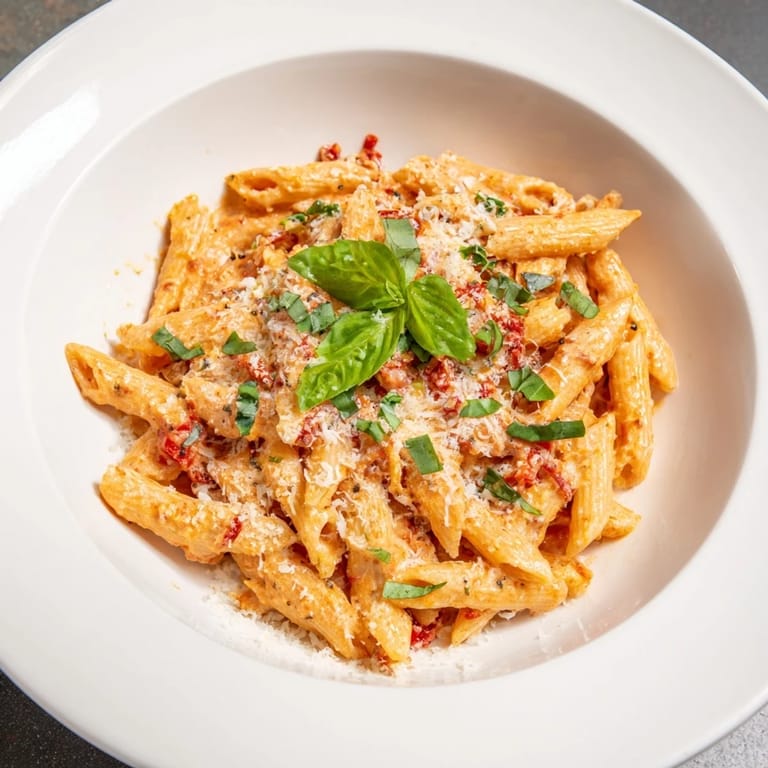
Save I was standing in my kitchen on a Tuesday night, staring at a sink full of dishes from the night before, when I decided enough was enough. I grabbed one pot, dumped in pasta, tomatoes, and garlic, and refused to dirty another dish. What came out twenty minutes later was silky, rich, and tasted like I'd been stirring three separate pans. I've been making it this way ever since.
The first time I made this for friends, I was running late and hadn't even started cooking when they texted they were on their way. I threw everything into the pot, set a timer, and somehow plated it just as they walked in. They raved about it like I'd been cooking all day. I didn't tell them I'd been panicking ten minutes earlier, but I did write down exactly what I'd done so I could do it again.
Ingredients
- Penne or fusilli pasta: Short shapes with ridges grab the creamy sauce better than long noodles, and they cook evenly when submerged.
- Olive oil: A good fruity olive oil adds richness right from the start and helps the garlic bloom without burning.
- Yellow onion: Finely chopped onion melts into the sauce and adds a sweet, savory backbone you don't get from garlic alone.
- Garlic: Four cloves might sound like a lot, but they mellow as they simmer and fill your kitchen with the best smell.
- Red pepper flakes: Just a pinch adds a gentle warmth that makes the tomato sauce more interesting without any real heat.
- Crushed tomatoes: Canned crushed tomatoes are consistent, thick, and cook down into a velvety base that clings to every piece of pasta.
- Tomato paste: Two tablespoons deepen the tomato flavor and give the sauce a richer, almost caramelized note.
- Sugar: A teaspoon balances the acidity of the tomatoes and makes the whole sauce taste rounder and more complete.
- Salt and black pepper: Season generously because the pasta absorbs a lot of the liquid and needs enough salt to taste right.
- Heavy cream: Stirred in at the end, it turns the tomato sauce luxurious and ties everything together into a silky coating.
- Parmesan cheese: Freshly grated Parmesan melts smoothly and adds a salty, nutty richness that pre-grated cheese just can't match.
- Fresh basil: Chopped basil folded in off the heat keeps its bright green color and aromatic sweetness intact.
- Water or vegetable broth: The pasta cooks directly in this liquid, soaking up flavor as it softens, so broth adds an extra layer if you have it.
Tired of Takeout? 🥡
Get 10 meals you can make faster than delivery arrives. Seriously.
One email. No spam. Unsubscribe anytime.
Instructions
- Start with the aromatics:
- Heat olive oil in a large deep skillet over medium heat and add the chopped onion. Let it soften for three to four minutes until it turns translucent and smells sweet.
- Bloom the garlic:
- Stir in minced garlic and red pepper flakes, cooking for just one minute until the garlic turns fragrant and golden at the edges. Don't let it brown or it will taste bitter.
- Build the tomato base:
- Add crushed tomatoes, tomato paste, sugar, salt, and black pepper, stirring everything together into a thick, glossy sauce.
- Add the pasta and liquid:
- Pour in the dry pasta and water or broth, making sure every piece is submerged. Bring it to a boil, then reduce the heat to medium-low.
- Simmer until tender:
- Cover the pot and let it simmer for twelve to fourteen minutes, stirring every few minutes so nothing sticks. The pasta should be al dente and most of the liquid absorbed.
- Stir in the cream and cheese:
- Remove the lid and stir in heavy cream and grated Parmesan. Cook uncovered for two to three minutes, letting the sauce thicken and turn creamy.
- Finish with basil:
- Turn off the heat and fold in chopped fresh basil. Taste and adjust the seasoning if needed.
- Serve immediately:
- Plate the pasta hot, garnished with more basil leaves and a sprinkle of extra Parmesan.
 Save
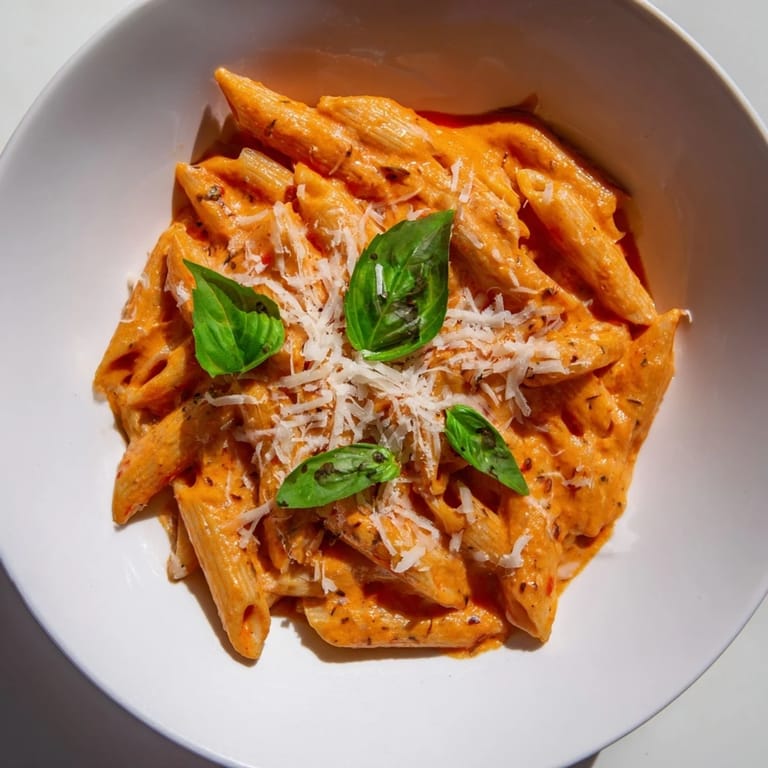
Save One rainy evening, I made this for my neighbor who'd just had a baby and was too tired to cook. I dropped it off still warm in the pot, and she texted me later that night saying it was the first real meal she'd enjoyed in weeks. She asked for the recipe, and I realized I'd created something that felt like a hug in a bowl, simple enough to make on autopilot but special enough to share.
How to Store and Reheat
Store leftovers in an airtight container in the fridge for up to three days. The pasta will soak up more sauce as it sits, so when you reheat it, add a splash of water or cream to loosen it back up. I reheat individual portions in the microwave for about two minutes, stirring halfway through, or warm the whole batch gently on the stove over low heat.
Variations to Try
For a vegan version, swap the heavy cream for cashew cream or coconut milk and use nutritional yeast or vegan Parmesan. I've also stirred in handfuls of baby spinach, sautéed mushrooms, or roasted red peppers right before serving for extra color and nutrition. If you want protein, grilled chicken, crispy chickpeas, or Italian sausage all work beautifully mixed in at the end.
What to Serve Alongside
This pasta is rich and filling, so I like to serve it with something bright and crunchy to balance it out. A simple arugula salad with lemon vinaigrette, garlic bread for soaking up extra sauce, or roasted broccoli with a squeeze of lemon all make great sides. A glass of chilled Pinot Grigio or sparkling water with a slice of lemon finishes the meal perfectly.
- Make sure your pot is large enough to hold the pasta comfortably, or it will cook unevenly.
- Taste the sauce before adding the cream so you can adjust the salt and sugar while it's still plain.
- Save a few fresh basil leaves whole for garnish because they look beautiful and smell incredible.
 Save
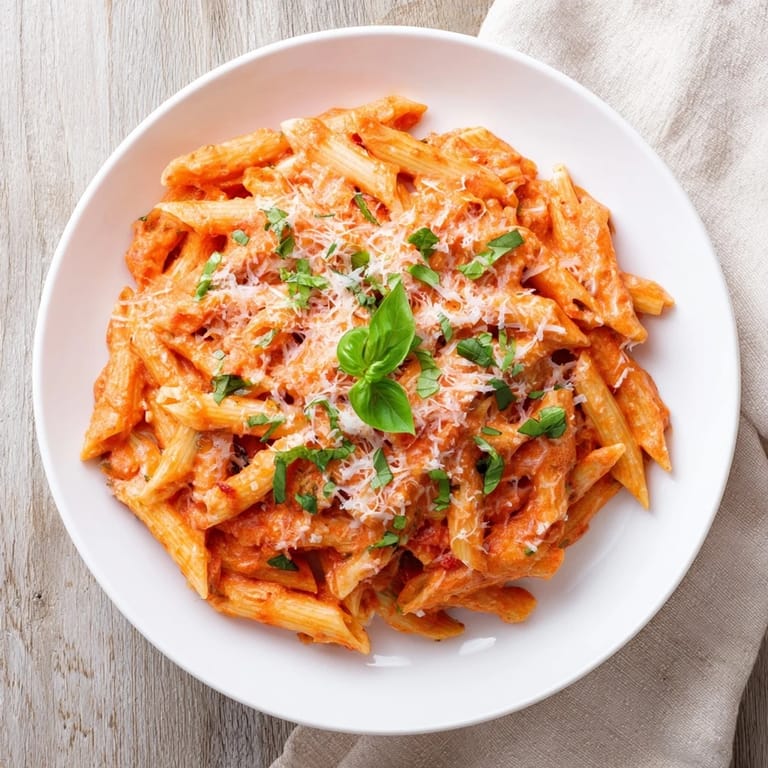
Save This is the kind of recipe that becomes a weeknight staple without you even realizing it. One pot, real ingredients, and a plate of pasta that tastes like you put in way more effort than you did.
Kitchen Guide
- → Can I use a different type of pasta?
Yes, penne or fusilli work best to hold the sauce, but other short pasta shapes can be used interchangeably.
- → How can I make it vegan?
Replace heavy cream and Parmesan with plant-based alternatives for a creamy, dairy-free dish.
- → Is it necessary to simmer the pasta in the sauce?
Cooking pasta directly in the sauce allows it to absorb flavors and results in a more cohesive texture.
- → What can I add for extra veggies?
Sautéed mushrooms, spinach, or roasted vegetables can be added for additional nutrition and flavor layers.
- → How should I adjust seasoning?
Taste after cooking and add salt, pepper, or red pepper flakes to balance the flavors to your preference.