 Save
Save The smell of garlic roasting in the oven always pulls me back to that cramped apartment kitchen where counter space was a luxury. I had bought asparagus on a whim at the farmers market, not entirely sure what I'd do with it. When I spotted a lonely garlic bulb rolling around in the vegetable drawer, something clicked. That evening, I learned that roasting garlic transforms it into something almost sweet, nothing like its sharp raw bite.
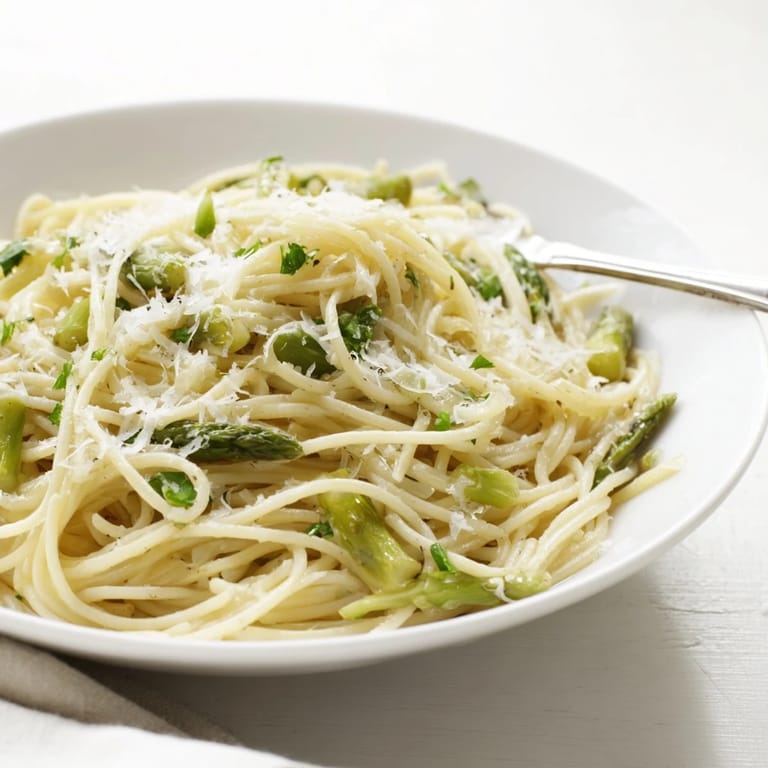
I made this for my sister once when she was convinced she hated asparagus. She kept quiet through the first few bites, then asked if there was more. The roasted garlic had mellowed everything into this cohesive, comforting tangle of pasta that didn't taste like vegetables trying too hard. Now she requests it every time she visits, and I never tell her how simple it actually is.
Ingredients
- Garlic head: Roasting a whole head might seem excessive, but those soft, jammy cloves become the soul of the dish, and you will want to squeeze every last one out.
- Fresh asparagus: Look for firm stalks with tight tips, thicker spears hold up better to roasting without turning mushy, and trimming the woody ends is non negotiable.
- Spaghetti: The long strands catch the garlic and asparagus pieces beautifully, but any pasta shape you have on hand will work in a pinch.
- Extra virgin olive oil: This is not the time for cheap oil, its one of only a few ingredients creating the sauce, so use something you would happily dip bread into.
- Sea salt and black pepper: Simple seasonings let the roasted flavors shine, but do not skimp on salting your pasta water, it should taste like the sea.
- Red pepper flakes: Just a pinch adds a gentle warmth that wakes up the whole dish without making it spicy.
- Parmesan cheese: Freshly grated melts into the pasta and adds a nutty, salty finish that pre shredded stuff just cannot match.
- Lemon zest: A little brightness at the end cuts through the richness and makes everything taste more alive.
- Fresh parsley: It is not just garnish, the herbal note ties the whole dish together and adds a pop of color.
Tired of Takeout? 🥡
Get 10 meals you can make faster than delivery arrives. Seriously.
One email. No spam. Unsubscribe anytime.
Instructions
- Roast the garlic:
- Preheat your oven to 400°F and slice just the top off the garlic head so the cloves peek out. Drizzle with olive oil, wrap snugly in foil, and let it roast for 30 minutes until the cloves turn golden and buttery soft.
- Roast the asparagus:
- After the garlic has been roasting for 15 minutes, toss your asparagus pieces on a baking sheet with a drizzle of olive oil, salt, and pepper. Slide them into the oven and roast for 12 to 15 minutes until they are just tender with a few caramelized edges.
- Cook the pasta:
- Bring a big pot of generously salted water to a rolling boil and cook the spaghetti until al dente. Before draining, scoop out half a cup of that starchy pasta water, it is liquid gold for your sauce.
- Prep the roasted garlic:
- Once the garlic is cool enough to handle, squeeze the cloves out of their papery skins and give them a light mash with a fork. They should be soft enough to smear easily.
- Build the sauce:
- Heat a quarter cup of olive oil in a large skillet over medium heat and add the mashed garlic. Let it sizzle gently for a minute or two until the kitchen smells incredible and the garlic is fragrant but not browning.
- Toss it all together:
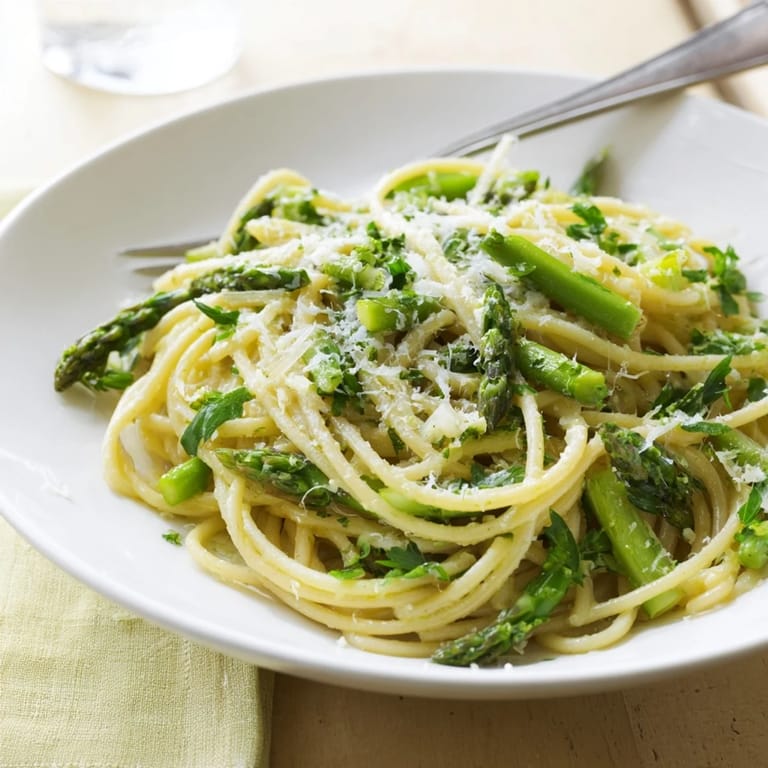
- Add the roasted asparagus and drained spaghetti to the skillet and toss everything together. Splash in some reserved pasta water a little at a time until the pasta is glossy and the sauce clings to every strand.
- Finish and serve:
- Stir in the Parmesan, lemon zest, parsley, and red pepper flakes if you are using them. Taste and adjust the salt and pepper, then serve immediately with extra cheese on top.
 Save
Save There was an evening when I had friends over and someone brought a bottle of cold white wine. We sat around the table twirling pasta and squeezing extra roasted garlic onto our plates like it was dessert. It stopped being about the meal and became one of those nights where everyone lingers, talking and laughing until the candles burn low. That is when this dish really showed me what it could do.
Making It Your Own
Once you have made this a few times, you will start seeing all the ways to play with it. I have stirred in sun dried tomatoes for a tangy bite, tossed in arugula right at the end so it wilts into the warm pasta, and even added a handful of halved cherry tomatoes to roast alongside the asparagus. A splash of white wine in the skillet before adding the pasta makes it feel a little fancier. If you want protein, grilled chicken or shrimp fit right in, and I have even crumbled in some cooked Italian sausage when I needed something heartier.
Storage and Reheating
This pasta is best eaten right away when everything is hot and glossy, but leftovers do happen. Store it in an airtight container in the fridge for up to three days, though the pasta will absorb some of the oil as it sits. When reheating, add a splash of olive oil or a spoonful of pasta water to a skillet and warm it gently over medium heat, tossing until it loosens up again. Microwaving works in a pinch, but the texture will not be quite as silky.
Serving Suggestions
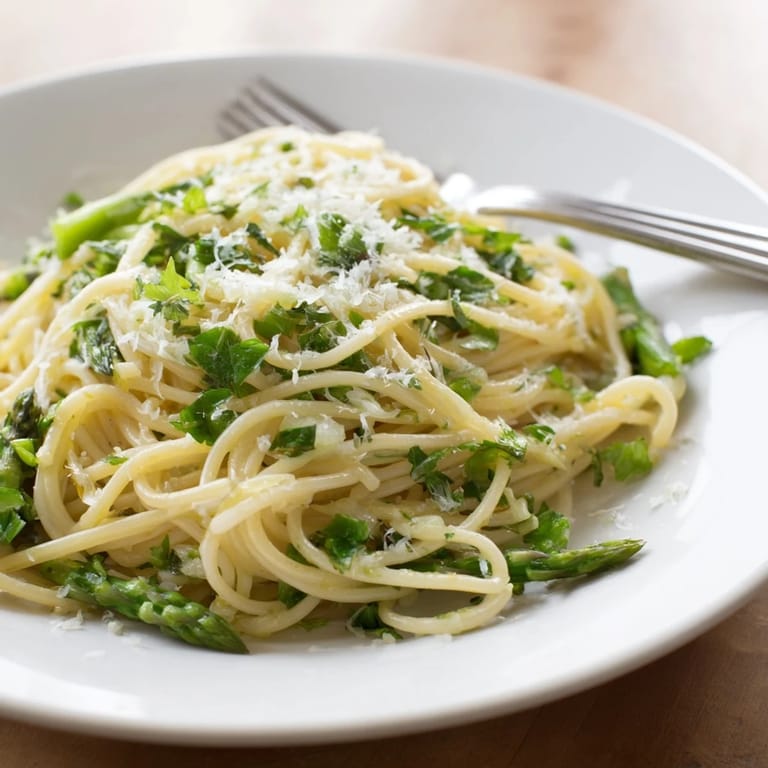
I like to serve this with a simple green salad dressed in lemon and olive oil, keeping the whole meal light and cohesive. Crusty bread for mopping up any garlic oil left on the plate is not optional in my house. A crisp white wine, like Sauvignon Blanc or Pinot Grigio, cuts through the richness beautifully.
- Top with toasted pine nuts or crushed walnuts for a bit of crunch and richness.
- Finish with a drizzle of your best olive oil just before serving to add an extra layer of flavor.
- If you are feeling indulgent, shave fresh Parmesan over the top instead of grating it.
 Save
Save This dish has become my answer to those nights when I want something nourishing without a lot of fuss. It feels like spring no matter the season, and every time I make it, someone asks for the recipe.
Kitchen Guide
- → Can I prepare the roasted garlic ahead of time?
Yes, roast the garlic up to 3 days in advance and store it in an airtight container in the refrigerator. Bring to room temperature before mashing and combining with the pasta.
- → What's the best way to prevent mushy asparagus?
Watch the roasting time carefully—asparagus typically needs 12-15 minutes at 400°F to stay tender-crisp. Trim thicker stalks at the base and cut pieces evenly for consistent cooking.
- → How do I make this dish dairy-free?
Simply omit the Parmesan cheese or substitute it with nutritional yeast or a dairy-free alternative. The pasta remains flavorful with the roasted garlic and asparagus as the main components.
- → Can I use a different pasta shape?
Absolutely. While spaghetti works beautifully, pappardelle, linguine, or even shorter shapes like penne all pair well. Choose based on your preference—longer strands help capture the garlic better.
- → What wine pairs best with this dish?
A crisp Sauvignon Blanc complements the roasted garlic and asparagus perfectly. The wine's acidity balances the richness of the olive oil and the subtle sweetness of the roasted garlic.
- → How much pasta water should I reserve?
Reserve at least ½ cup of the starchy pasta cooking water before draining. This helps create a silky sauce that coats the pasta. Add gradually while tossing to achieve your desired consistency.