 Save
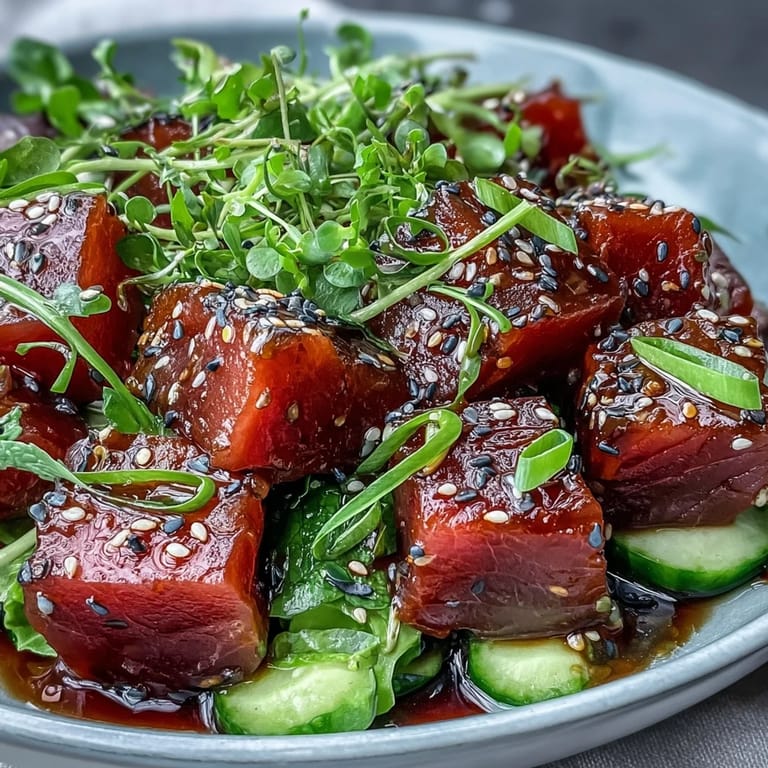
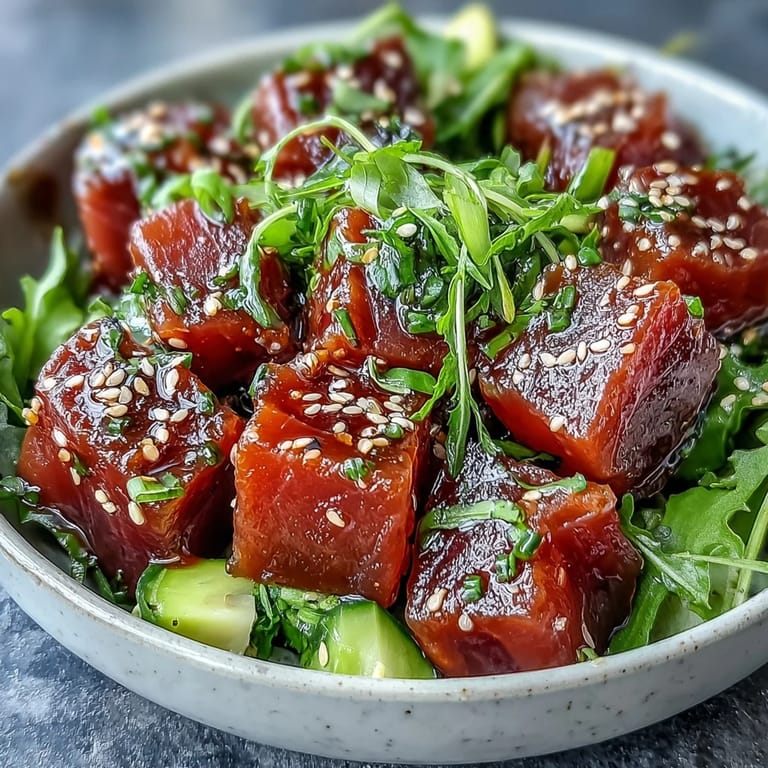
Save There was something about the first taste of ponzu that made me pause mid-bite—the way its citrusy tang brightened up the tender pieces of tuna in a bowl that almost shimmered with spring colors. I’m not the methodical meal prepper in the family, but this poke bowl won me over for how playfully quick it comes together, each layer inviting a little improvisation. The kitchen fills with the freshness of just-sliced cucumber and the low hum of conversation as someone inevitably asks if there’s extra avocado. Even with the steps laid out, it’s an adventure of textures and flavors—crisp, creamy, cool, and savory. For those days when you want all the taste of a restaurant poke bowl but none of the hassle, this recipe is like a breezy afternoon in a bowl.
Once, I made this bowl for a friend visiting from out of town, and before we’d even finished arranging the toppings, she was snatching bits of marinated tuna straight from the bowl, laughing at herself for being unable to wait. Standing side by side, chopping radishes and ribboning carrots, we compared our masterpieces and argued over which looked better, like a kitchen version of an art contest. There was no need for perfection; each bowl reflected our moods and personalities. By the time we sat down to eat, the table was dotted with stray slices of cucumber and stray nori strips. We lingered longer than expected, content amid the kaleidoscope of flavors and spring light streaming through the window.
Ingredients
- Sushi-grade tuna: Choose the freshest tuna you can find—aim for glossy, vibrantly red pieces, and ask your fishmonger to dice it for poke if you’re not confident with your knife skills.
- Ponzu sauce: Its citrus punch sets the whole bowl apart; I learned that a splash extra perks everything up, especially if your tuna is mild.
- Sesame oil: Just a little gives depth without overpowering—pro tip: drizzle it over last minute for a burst of aroma.
- Soy sauce: Use low sodium if you’re marinating ahead, as the flavor intensifies over time.
- Rice vinegar: Both for the tuna and the rice, it gives that signature brightness—don’t skip it.
- Sushi rice: Always rinse until the water runs clear; go for short-grain and let it cool, lest everything turn gummy.
- Cucumber & radish: Thin, crisp slices not only look pretty but lend the bowl a satisfying crunch.
- Avocado: Go for one just ripe, yielding gently to the touch, so it slices neatly and doesn’t mush when placed on rice.
- Carrot: I learned to use a julienne peeler for speedy ribbons—you’ll think it took a lot more effort than it did.
- Edamame: Shelled and blanched, it brings a sweet pop—no shame in using frozen for ease.
- Spring onions: Slice finely so they disperse flavor without any sharp bites.
- Pickled ginger (optional): Its zingy sweet-sour is a game changer, especially if you love sushi shop flavors.
- Nori sheet: I always cut with kitchen scissors, which is easier and tidier than tearing by hand.
- Extra sesame seeds: Sprinkling more on at the end gives the bowl a finished, toasty edge.
- Microgreens (optional): These look fancy, but honestly, I add them when I want to feel like I’m dining out at home.
Tired of Takeout? 🥡
Get 10 meals you can make faster than delivery arrives. Seriously.
One email. No spam. Unsubscribe anytime.
Instructions
- Mix the tuna:
- Add diced tuna to a medium bowl, drizzle with ponzu, sesame oil, soy sauce, rice vinegar, and sesame seeds; toss gently until every piece glistens, then chill it in the fridge for 10 minutes.
- Season the rice:
- While the tuna chills, combine cooled sushi rice with a splash of rice vinegar and a pinch of salt—use a paddle or wet spoon so the grains stay fluffy.
- Prep the toppings:
- Slice cucumber and radishes thinly, julienne carrot (a speed peeler works wonders), scoop the avocado, and lay everything out for easy assembly.
- Assemble base layers:
- Divide the seasoned rice between two deep bowls, gently pressing it to create a nest for the toppings.
- Arrange and top:
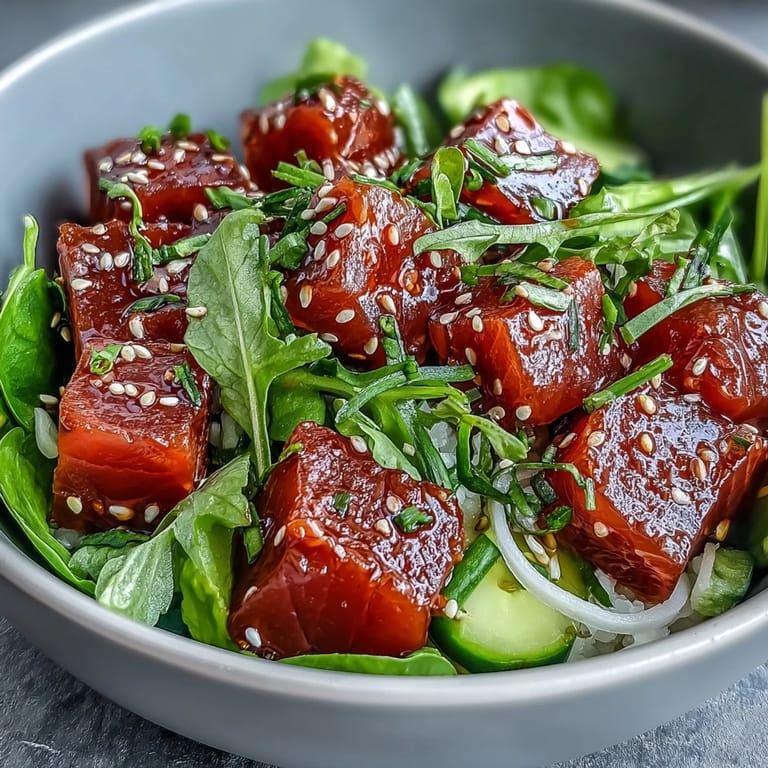
- Artfully fan marinated tuna, cucumber, radish, avocado, carrot, edamame, and spring onions atop the rice—this is where you can unleash your creativity.
- Finish with garnishes:
- Add pickled ginger, layers of nori strips, an extra sprinkle of sesame seeds, and microgreens if feeling fancy.
- Serve straight away:
- Grab your chopsticks, dig in, and savor the mix of cold, crisp, and creamy textures in every bite.
 Save
Save  Save
Save The first time someone tried this bowl and closed their eyes after the first mouthful, I realized it wasn’t just about assembling pretty ingredients—this was a dish that delivered pure, joyful bites, each one a little celebration of the season. Sharing it has become an easy way to mark fresh starts and warm afternoons with friends who may not even realize they love poke… yet.
Choosing Tuna at the Market
Over time, I’ve learned that befriending your local fishmonger pays off—ask them what came in that morning, and don’t be afraid to get them talking about their favorites. Color and firmness mean more than the label, and if it smells neutral rather than fishy, you’re on the right track for poke-worthy tuna.
Making Sushi Rice at Home
Sushi rice can be intimidating, but it’s more forgiving than you think—as long as you rinse until the water is nearly clear and let it cool before seasoning, the end result will be sticky but not sad. I leave mine spread on a baking sheet to cool fast while I prep the veggies, saving time and counter space.
Personalizing Your Poke Bowl
Everyone in my family seems to build their ideal bowl differently: some pile on extra edamame, while others skip avocado or double the nori for crunch. This poké adventure is all about what makes you happy—trading toppings is half the fun.
- If you’re tight on time, prep vegetables ahead and store them in cold water for crispness.
- Swap the tuna for quality salmon or cubes of marinated tofu when you want a change.
- Let picky eaters build their bowl so they can skip or add as they wish.
 Save
Save 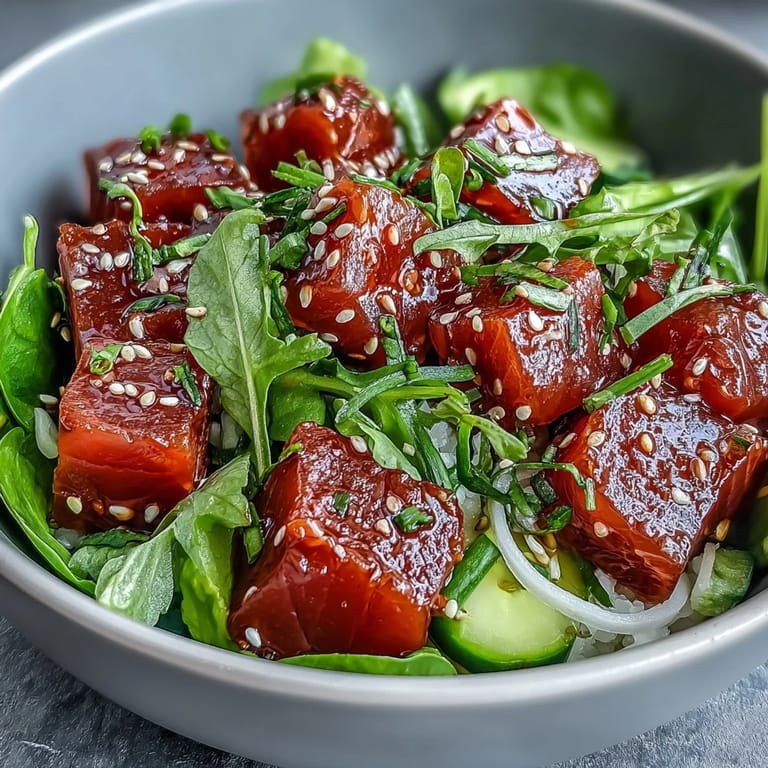 Save
Save When you find yourself craving something lively and hands-on, this poke bowl captures the spirit of spring in the simplest way—hands busy, flavors bright, and bowls always emptied. Enjoy every colorful bite.
Kitchen Guide
- → Is sushi-grade tuna necessary?
Yes — use sushi- or sashimi-grade tuna for safe raw consumption and the best texture. If you can’t source it, briefly sear a higher-grade cut for a different but tasty result.
- → How long should the tuna marinate?
About 8–12 minutes is ideal: long enough to absorb the ponzu and sesame flavors but short enough to preserve the tuna’s tender texture.
- → Can I prepare components ahead of time?
Cook and cool the sushi rice ahead and store chilled; slice vegetables and prep toppings in advance. Combine tuna and delicate ingredients just before serving to keep texture fresh.
- → How can I make this gluten-free?
Swap regular soy sauce and ponzu for gluten-free tamari and a gluten-free citrus soy or tamari-based ponzu. Check labels on store-bought sauces and mirin substitutes.
- → What are good protein substitutes?
Fresh salmon works well with the same marinade; for a plant-forward option, firm tofu pressed and marinated offers a similar savory finish.
- → What garnishes and sauces enhance the bowl?
Nori strips, extra toasted sesame seeds and microgreens add texture and umami. Finish with a drizzle of extra ponzu or a spicy mayo for richness and contrast.